
The short answer
Minor canker sores heal on their own in a week or two. What you can control is the pain in the meantime—and whether the sore keeps getting re-irritated while it heals.
Mayo Clinic, Cleveland Clinic; prices as of July 2026
The Short Answer
There is no overnight cure for a canker sore, but you can make one hurt far less today and heal on schedule instead of dragging on. The approach that holds up: numb and cover the sore with an over-the-counter benzocaine gel that forms a protective film, keep the area clean with a gentle rinse, and stop re-injuring it—which means skipping the folk remedies that burn tissue in the name of “drying it out.” Minor sores typically clear within one to two weeks on their own, according to Mayo Clinic.
Two other things worth knowing up front. First, if a sore lasts longer than two weeks, is larger than about a centimeter, or you get them several times a year, that moves you out of home-remedy territory—Cleveland Clinic’s thresholds are specific, and we cover them below. Second, if you get canker sores constantly, the fix is usually not a better gel—it’s finding the trigger, and there are a few well-documented ones to check.
Numb It Now vs. Heal It Faster
Almost every canker sore remedy does one of two jobs, and knowing which is which saves you money and pain:
- Pain control — numbing agents (benzocaine, lidocaine), coating agents (films, pastes, milk of magnesia), and cold (ice chips). These make the next few hours livable but don’t meaningfully shorten the sore’s life.
- Faster healing — keeping the sore clean and protected from re-injury, treating any underlying deficiency, and in stubborn cases, prescription steroid pastes or in-office treatment from a dentist.
The products worth buying do at least one of these jobs well. The folk remedies worth skipping usually do neither—they just hurt.
The OTC Toolkit That Holds Up
Mayo Clinic’s canker sore treatment guidance names specific over-the-counter active ingredients: benzocaine products including Zilactin-B, and hydrogen peroxide rinses including Colgate Peroxyl. That overlap between clinical guidance and what long-term canker sore sufferers actually keep in the cabinet is rare, and it is exactly where we’d spend money first.
A benzocaine gel that forms a film does both jobs at once: it numbs the sore and seals it under a bioadhesive layer so eating and drinking stop re-irritating it. Zilactin-B is the one described in a dental community thread as forming a bandage over the sore. The manufacturer’s own label is upfront that application stings briefly (“Feel it. Heal it.”), and its protection claim tops out at six hours per application—so plan on reapplying, especially around meals. It runs around $10 as of this writing.
An important age line for benzocaine: Zilactin-B’s Drug Facts label says do not use it in children under 2, to supervise use in children under 12, and to stop after 7 days unless a dentist or physician says otherwise. That under-2 line is not fine print: the FDA warns that benzocaine products can cause methemoglobinemia—a serious, sometimes fatal drop in the blood’s oxygen-carrying capacity—and should never be used for teething or mouth pain in babies and toddlers. For a young child’s mouth sore, talk to a pediatric dentist instead of the pharmacy aisle.
If the sore is somewhere a gel can’t reach—the back of the throat, tonsils, or soft palate, some of the most miserable spots to get one—a film has nothing to stick to and cold or coating tricks barely arrive. That’s the case where a rinse does the work, which brings us to the second product.
A hydrogen peroxide rinse handles the clean-and-heal side. Peroxyl’s 1.5% hydrogen peroxide formula is alcohol-free—an important detail, because alcohol-based rinses sting badly on open sores. In a dentist community thread it’s the over-the-counter rinse a practitioner volunteers unprompted—pairing it with daily B12 for patients who get sores often, as both treatment and prevention. It’s around $12 a bottle, and we already recommend it on our gum disease mouthwash roundup for post-procedure irritation—same logic here. Its limits come straight off the Drug Facts label: up to 4 times daily, ages 2 and up, and no more than 7 days of use unless a dentist or physician directs it—if a sore still needs rinsing after a week, that’s your two-week clock already half spent, and worth a call.
A coat-only option without the anesthetic: canker sore patches—small dissolving discs that seal over the sore—are the purest version of the protect-it approach, and they show up in community routines for exactly the sores that keep getting bitten or rubbed. We haven’t picked one to recommend yet; if benzocaine isn’t an option for you, they’re the aisle to look at.
What we'd keep in the cabinet for canker sores
Both product classes are named in Mayo Clinic's OTC treatment guidance; the lysine protocol is a community favorite with thinner evidence.
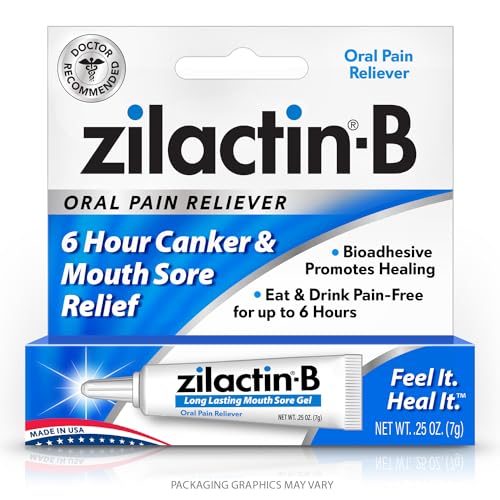
Zilactin-B Canker Sore Gel
Sealing a sore so you can eat and drink without wincing
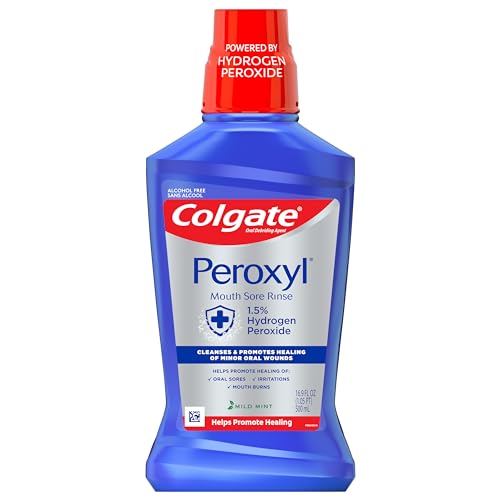
Colgate Peroxyl Mouth Sore Rinse
Alcohol-free rinsing while a sore heals
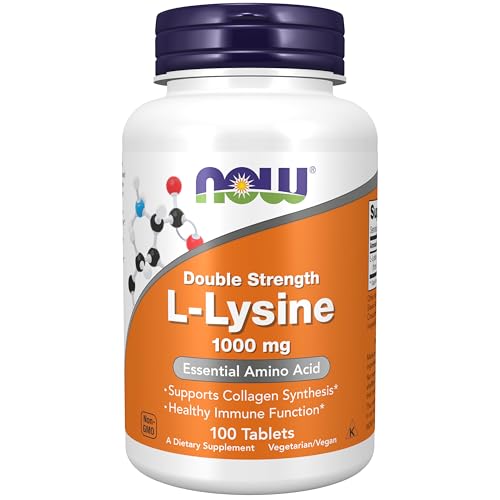
NOW L-Lysine 1,000 mg
Frequent sufferers trying a low-cost daily supplement
Affiliate links. Dental Roundup may earn a commission at no extra cost to you.
On the lysine pick: the evidence gap matters. L-lysine has a devoted following among people with recurring canker sores—community threads include one detailed account of sores stopping within a week of starting a daily 1,000 mg tablet—from a braces wearer whose sores had multiplied after getting them—and another sufferer who reports faster healing at higher doses. But that is testimony, not trial data, and it is not part of Mayo Clinic’s treatment guidance. At around $7 for a bottle as of this writing, it’s a low-cost experiment for frequent sufferers—worth mentioning to your doctor, not a substitute for finding your actual trigger. And if you’d rather follow the practitioner-backed supplement route instead: daily B12 is what the dentist in the Peroxyl thread pairs with the rinse for frequent sufferers—though supplements help most when you’re actually low, which is exactly what the deficiency panel below sorts out.
Home Remedies That Hold Up
You don’t have to buy anything to take the edge off. Mayo Clinic’s own self-care list covers most of what actually helps:
- Salt water or baking soda rinse. Dissolve a teaspoon of baking soda in half a cup of warm water and rinse gently. This is the gentle version of the salt approach—rinsing, not packing salt into the wound (more on that below).
- Milk of magnesia, dabbed on the sore a few times a day. It coats and neutralizes acid at the surface.
- Ice chips, dissolved slowly over the sore. Plain cold is a legitimate numbing agent with zero downside.
- Avoid abrasive, acidic, or spicy food while it heals—tortilla chips, citrus, and hot sauce are the classic re-irritation trio.
- Brush gently with a soft brush and a foaming-agent-free toothpaste. This one doubles as prevention, and it’s covered in its own section below.
The Folk Remedies to Think Twice About
Canker sore communities are full of people in real pain, and painful hacks circulate because they produce a dramatic sensation that feels like it must be doing something. Three come up constantly, and all three deserve caution:
Swishing high-proof alcohol. This genuinely numbs, which is why the tip persists. But the top-voted commenter recommending it describes it, in the same breath, as horrifically painful and bad for healing. Damaging tissue to numb it is the definition of trading tomorrow for tonight; a benzocaine gel numbs without the collateral.
Packing salt directly on the sore. Distinct from a salt water rinse, which is fine. Users who’ve tried direct application describe searing pain, and there’s no clinical guidance supporting it. The rinse gets you the cleaning benefit without the burn.
Alum powder. The community is split down the middle on this one—some long-term sufferers swear by dabbing it on small, early sores, another reports serious irritation with no benefit, and at least one reports it made large sores worse. If you already use it on small sores and it works for you, we’re not here to argue. As a recommendation for someone in pain right now, it doesn’t clear the bar: it burns, the evidence is testimonial, and the coating products above do the protect-the-sore job without hurting.
What a Dentist Can Actually Do
One of the most consistent notes in community discussions—including from dental professionals—is that most people have no idea canker sore treatment exists beyond the pharmacy aisle. If a sore is large, unusually painful, or keeps coming back, a dentist has options, several of which Mayo Clinic describes:
- Prescription steroid paste (triamcinolone, often dispensed as Kenalog in Orabase) or fluocinonide gel, applied directly to the sore. Dental professionals in community threads describe this as their standard take-home option.
- Prescription mouth rinses containing dexamethasone (a steroid) for inflammation or lidocaine for pain—what many patients know as “magic mouthwash.”
- Chemical cautery. Debacterol, a prescription topical solution, chemically cauterizes the sore; Mayo Clinic notes it may cut healing time to about a week. Dentists who use it describe near-instant pain relief after a few seconds of significant sting.
- Laser treatment. Some practices treat canker sores with a diode laser—practitioners in dental communities report quick pain relief and faster healing, though availability varies by office.
- Oral medication for severe cases—Mayo Clinic lists options like sucralfate as a coating agent and, for sores that resist everything else, short courses of oral steroids as a last resort.
None of this is worth a dental visit for the occasional minor sore. All of it is worth knowing about if you’re the person with a monster sore that’s ruining your week.
Why You Keep Getting Them
For recurring canker sores, pain relief is managing symptoms. The actual fix—when there is one—is upstream. The well-documented contributors, per Cleveland Clinic:
- Toothpaste containing sodium lauryl sulfate (SLS). The foaming agent is a known trigger for susceptible people, and switching is the single most-reported win in canker sore communities. Mayo Clinic specifically suggests brushing with foaming-agent-free toothpaste. Several picks on our natural toothpaste roundup and most hydroxyapatite toothpastes are SLS-free, as are options on our dry mouth toothpaste page—dry mouth formulas drop SLS for exactly this irritation reason. The counterweight, from the same communities: plenty of chronic sufferers switched years ago and still get sores. It’s the first thing to try, not a guarantee.
- Nutritional deficiencies—Cleveland Clinic specifically names low vitamin B12, vitamin D, folate, iron, and zinc. This is why “get blood work” is such common advice in canker sore communities, and why Mayo Clinic lists prescription nutritional supplementation among treatments. If you get frequent sores, a deficiency panel through your doctor is a more direct move than cycling through supplements blind.
- Stress and mouth injury. Bitten cheeks, orthodontic hardware, and a rough toothbrush all count—sores that keep forming at the same spot are usually trauma sores. People with braces know this cycle well.
- Certain foods—acidic and spicy foods are the headline items, and Cleveland Clinic’s list extends to caffeine, eggs, cheese, and some nuts. Community experience here is deeply individual: some people track theirs to soda, others to citrus, many never find a food link at all.
- Hormonal shifts during menstrual cycles are on Cleveland Clinic’s trigger list too.
If you get many sores at once, or mouth ulcers alongside gut symptoms, fatigue, or ulcers elsewhere, that pattern belongs in front of a doctor—Mayo Clinic lists celiac disease, inflammatory bowel diseases like Crohn’s, and Behçet’s disease among the conditions canker sores can accompany, which is exactly why persistent cases warrant the workup rather than a stronger gel.
When to See a Dentist or Doctor
Use Cleveland Clinic’s thresholds—a sore needs professional eyes if it:
- Lasts longer than two weeks without healing
- Is larger than about one centimeter across
- Comes back two or three times a year or more
- Interferes with eating, drinking, or daily life
Mayo Clinic’s when-to-see-a-doctor list adds three urgent signs: sores that extend onto the lips themselves, pain you can’t control with self-care, and a high fever alongside the sores. And if a sharp tooth edge or a dental appliance keeps triggering sores in the same spot, that’s a dentist visit too—the fix is the hardware, not the remedy.
A sore that simply will not heal matters more than a sore that hurts a lot: persistent non-healing ulcers are the ones a dentist will want to examine, and the bluntest advice in canker sore communities is about exactly this case—a sore that hasn’t healed after weeks belongs in front of an oral surgeon, not in a home-remedy rotation. Two weeks is the line. Don’t tough out a third.
FAQ
Can you get rid of a canker sore in 24 hours?
Realistically, no—not the sore itself. What you can do in 24 hours is make it stop dominating your attention: a benzocaine film gel over the sore, a gentle rinse after meals, and avoiding acidic food will carry most people through the worst days. The only treatments associated with dramatically shortened healing are professional ones—Mayo Clinic notes chemical cautery may cut healing to about a week, and prescription steroid pastes exist for a reason.
Does salt water actually help canker sores?
A salt water rinse is legitimate—Mayo Clinic lists it among self-care steps, and it helps keep the sore clean. Packing salt directly onto the sore is a different thing: intensely painful, with no clinical guidance behind it. Rinse, don’t pack.
Can a canker sore heal in 2 days?
Not typically. The documented course for a minor canker sore is one to two weeks, and the fast-resolution stories in community threads involve prescription steroid paste from a dentist—not home care. What home care can do in two days is take the pain out of it.
Are canker sores herpes? Are they contagious?
No and no. Canker sores (aphthous ulcers) occur inside the mouth, and Mayo Clinic is unambiguous that they are not associated with herpes virus infections and aren’t contagious—which is also why antiviral medication does nothing for them. Cold sores are the herpes-virus ones: they appear on or around the lips and are contagious. If sores keep appearing on your outer lip, that’s a different conversation with your doctor.
Why do I keep getting canker sores?
The documented contributors are SLS toothpaste, low B12, vitamin D, folate, iron, or zinc, stress, mouth trauma, certain foods, and hormonal shifts. In practice, frequent sufferers usually work through that list in order: switch to an SLS-free toothpaste, get a deficiency panel, and track food and stress patterns. If sores are frequent, multiple, or come with other symptoms, ask your doctor about the bigger workup rather than treating each sore as it comes.
Does switching to SLS-free toothpaste really work?
For a meaningful share of people, yes—it’s the most consistently reported prevention win in canker sore communities, and foaming-agent-free brushing appears in Mayo Clinic’s own self-care guidance. But it is not universal: chronic sufferers who made the switch long ago and still get sores are well represented in the same communities. Try it first; just don’t expect it to be the whole answer if your triggers run deeper.