
The Short Answer
Gingivitis is the earliest stage of gum disease, and the good news is that it’s entirely reversible. Fixing gingivitis typically involves a combination of improved oral hygiene at home (brushing twice daily, flossing once daily, and using an antiseptic mouthwash) and a professional dental cleaning to remove built-up plaque and tartar. According to the ADA, gingivitis is reversible with treatment, whereas periodontitis is a chronic condition—a patient who has had periodontitis remains susceptible even after successful therapy, which is why addressing gum disease early matters. The ADA’s MouthHealthy site says gingivitis “can usually be eliminated by a professional cleaning at your dental office, followed by daily brushing and flossing”, but you should always consult your dentist for personalised advice.
What Is Gingivitis and Why Does It Happen?
Gingivitis is inflammation of the gingiva: the gum tissue that surrounds and supports your teeth. It’s caused primarily by the accumulation of plaque, a sticky biofilm of bacteria that forms on your teeth throughout the day. When plaque isn’t adequately removed through brushing and flossing, it irritates the gum tissue and triggers an inflammatory response.
Common Symptoms of Gingivitis
Before we discuss how to fix gingivitis, it helps to know what you’re looking for. Symptoms include:
- Red or swollen gums: Healthy gums should be firm and pale pink.
- Bleeding when brushing or flossing: This is often the first warning sign people notice.
- Bad breath (halitosis): Bacterial buildup produces foul-smelling compounds.
- Gums pulling away from the teeth: The ADA lists this among warning signs of gum disease generally; gingivitis itself shows as red, swollen gums that bleed easily.
- Tender or sore gums: Discomfort when eating or touching the gum line.
If you recognise any of these symptoms, don’t panic. Gingivitis is the one stage of gum disease that can be fully reversed with the right approach.
Risk Factors That Make Gingivitis More Likely
Several factors increase your chances of developing gingivitis:
- Poor oral hygiene: The NHS says gum disease is caused by a build-up of plaque, which brushing and cleaning between the teeth remove.
- Smoking or tobacco use: The ADA’s MouthHealthy site lists smoking or chewing tobacco among the factors that raise the risk of gum disease, and the NHS lists “do not smoke” among its prevention steps.
- Hormonal changes: Pregnancy, puberty, and menopause can make gums more sensitive.
- Diabetes: People with diabetes are at higher risk for infections, including gum disease.
- Certain medications: Some drugs reduce saliva flow or cause abnormal gum tissue growth.
- Crooked or crowded teeth: Difficult-to-clean areas harbour more plaque.
- Family history: Genetics can play a role in gum disease susceptibility.
How to Fix Gingivitis at Home: A Step-by-Step Plan
While a professional cleaning is often the fastest way to jump-start your recovery, the daily habits you practise at home are what ultimately reverse and prevent gingivitis. Here’s a comprehensive step-by-step plan:
Step 1: Upgrade Your Brushing Technique
Brushing twice a day is non-negotiable, but how you brush matters just as much as how often.
- Use a soft-bristled toothbrush: Hard bristles can further irritate inflamed gums.
- Hold the brush at a 45-degree angle to the gum line.
- Use short, gentle strokes: Move the brush back and forth in tooth-wide strokes.
- Brush for a full two minutes: Spend about 30 seconds on each quadrant of your mouth.
- Don’t forget your tongue: Bacteria on the tongue contribute to plaque and bad breath.
- Replace your toothbrush every three months or sooner if the bristles are frayed.
Consider switching to an electric toothbrush. A Cochrane review of 56 trials found moderate-quality evidence that powered toothbrushes reduce plaque and gingivitis more than manual brushing, in both the short and long term (Yaacob et al., 2014). If your gums are already sensitive or showing early signs of recession, our picks for the best toothbrush for receding gums prioritise pressure-sensing models that help protect vulnerable tissue.
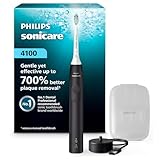
Philips Sonicare 4100
Best for: Gentle plaque removal with gum protection
- Built-in pressure sensor alerts when brushing too hard
- Two intensity settings, per the listing, for easing off on inflamed gums
- 2-minute timer with 30-second quadrant pacer
- Brush head replacement reminder, per the listing
(Affiliate link) · Free shipping on eligible Prime items
(Affiliate link) · Free shipping on eligible Prime items
Step 2: Commit to Daily Flossing
The ADA recommends cleaning between your teeth once a day using floss or an interdental cleaner. Plaque builds up in the spaces between teeth where toothbrush bristles can’t reach, and these are precisely the areas where gingivitis often begins.
- Use about 45 cm (18 inches) of floss, winding most around your middle fingers.
- Gently guide the floss between teeth using a rubbing motion; never snap it into the gums.
- Curve the floss into a C-shape against each tooth and slide it beneath the gum line.
- Use a clean section of floss for each tooth.
If traditional floss is difficult to use, water flossers, interdental brushes, or floss picks are effective alternatives; our water flosser vs traditional floss comparison breaks down the pros and cons for inflamed gums. The key is consistency.
Step 3: Add an Antiseptic Mouthwash
An antimicrobial or antiseptic mouthwash can help reduce bacteria and plaque that contribute to gingivitis. The ADA Seal of Acceptance on a mouthwash product means it has been evaluated for safety and efficacy. See our roundup of the best mouthwash for gingivitis for specific product recommendations.
- Rinse for 30 seconds twice daily, as rinse labels such as Listerine’s direct. The NHS advises against using mouthwash straight after brushing, so pick a different time of day from your brushing.
- Look for active ingredients such as cetylpyridinium chloride (CPC), essential oils, or chlorhexidine (available by prescription for short-term use).
- Don’t use mouthwash as a substitute for brushing and flossing, it’s a complement to your routine, not a replacement.

Listerine Clinical Solutions Gum Health
Best for: Targeting gingivitis-causing bacteria
- Drug Facts use: helps prevent and reduce plaque and gingivitis
- Label claim: kills 99.9% of the germs that cause bleeding and inflammation
- ADA-accepted for plaque and gingivitis control
- Contains alcohol (21.6% v/v on its Drug Facts label)
- +ADA-accepted for plaque and gingivitis control
- +Kills 99.9% of the germs that cause bleeding and inflammation, per its label
- +Icy mint rinse used for 30 seconds, morning and night, per its directions
- −Doesn't physically remove plaque the way brushing and flossing do
- −Only a complement to your routine, not a replacement for brushing and flossing
- −Contains alcohol (21.6% v/v on its Drug Facts label), so it is not an alcohol-free rinse
(Affiliate link) · Free shipping on eligible Prime items
(Affiliate link) · Free shipping on eligible Prime items
Step 4: Try Supportive Home Remedies
Several home remedies may help soothe inflamed gums and support your oral hygiene routine, though they should never replace professional dental care:
- Saltwater rinse: The NHS recipe for a salt mouthwash is half a teaspoon of salt dissolved in a glass of warm water, rinsed around the mouth and spat out. The evidence for it in gum inflammation is thin: a 2021 trial of 47 patients after gum surgery found a saltwater rinse had an anti-inflammatory effect similar to 0.12% chlorhexidine.
- Aloe vera mouthwash: A systematic review of six trials covering 1,358 people found aloe vera mouthwash reduced plaque and gum inflammation, matching chlorhexidine on inflammation in three of the trials, though the authors call the evidence inconclusive and preliminary. The trials tested mouthwashes, not gel applied to the gums.
- Turmeric (curcumin): A 2026 meta-analysis of 26 trials found curcumin comparable to chlorhexidine for plaque and gum inflammation, but 24 of those trials carried a high risk of bias. The trials compared curcumin products with chlorhexidine; they do not show that a homemade turmeric paste works.
- Oil pulling: Swishing a tablespoon of oil such as coconut or sesame around the mouth, for anything from a few minutes to 20, is a traditional folk remedy. The ADA says there are “no reliable scientific studies” showing it improves oral health and does not recommend it as a dental hygiene practice.
Two other supportive options worth knowing about: some people add an oral probiotic to their routine as a way to support a healthier bacterial balance, and our dental probiotics guide walks through the honest evidence on that; and a gum stimulator can be used alongside brushing to gently massage inflamed gum tissue.
Step 5: Make Lifestyle Adjustments
- Quit smoking: The NHS lists “do not smoke” among its gum disease prevention steps and says a dentist treating early gum disease will advise you to stop smoking.
- Eat a balanced diet: The ADA’s MouthHealthy diet page says vitamin C “is important for healthy gums”, and the NIH’s vitamin C fact sheet lists inflammation of the gums among the first symptoms of scurvy, the disease acute vitamin C deficiency causes. Citrus fruits, tomatoes and potatoes are major sources of vitamin C in the American diet, per the same fact sheet. MouthHealthy adds that fiber-rich foods increase saliva production and “act as natural plaque scrubbers”.
- Stay hydrated: Drinking water throughout the day helps wash away food particles and bacteria, and supports healthy saliva production.
- Reduce sugary foods and drinks: Sugar feeds the bacteria that produce plaque.
Professional Treatments for Gingivitis
While home care is the foundation, professional dental treatment is often necessary, especially if plaque has hardened into tartar (calculus), which can only be removed by a dental professional.
Professional Dental Cleaning (Prophylaxis)
During a routine cleaning, a dental hygienist will:
- Scale your teeth: Using specialised instruments to remove plaque and tartar from above and below the gum line.
- Polish your teeth: A gritty toothpaste and rotating brush remove surface stains and remaining plaque.
- Floss thoroughly: Ensuring all debris between teeth is cleared.
- Apply fluoride treatment (optional): To strengthen enamel and protect against decay.
For gingivitis, the ADA’s MouthHealthy site says the disease “can usually be eliminated by a professional cleaning at your dental office, followed by daily brushing and flossing.”
Scaling and Root Planing (Deep Cleaning)
If gum disease has gone beyond gingivitis, your dentist may recommend scaling and root planing; the NHS says serious gum disease may need “deep cleaning under your gums”. It is a deeper cleaning procedure, often performed under local anaesthesia:
- Scaling removes tartar and bacteria from tooth surfaces and beneath the gums.
- Root planing smooths the root surfaces, making it harder for bacteria to reattach and encouraging the gums to heal and reattach to the teeth.
This procedure may be completed in one visit or spread across multiple appointments depending on severity.
Prescription Treatments
In some cases, your dentist may prescribe:
- Chlorhexidine mouthwash: A prescription-strength antimicrobial rinse for short-term use.
- Antibiotic gels or chips: Placed directly into gum pockets after scaling and root planing.
- Oral antibiotics: Used less commonly, typically for more widespread infection.
Always consult your dentist before starting any prescription treatment.
How Long Does It Take to Fix Gingivitis?
There is no fixed timeline to quote: the reversal comes from removing plaque consistently, and the 2017 world workshop on periodontal disease describes gingivitis as reversible by reducing plaque at and below the gum margin. Bleeding when you brush is the sign to watch, and if it has not improved after two weeks of consistent care, see your dentist: two weeks is also the point at which the Cleveland Clinic advises booking an appointment for bleeding gums.
However, full resolution depends on several factors:
- Severity of the gingivitis: Mild cases respond faster than those that have been present for months.
- Consistency of care: Skipping days of brushing or flossing slows progress.
- Underlying health conditions: Diabetes, immune disorders, and hormonal changes can affect healing time.
- Professional treatment: If tartar is present, home care alone won’t be sufficient until it’s professionally removed.
After your gingivitis resolves, ongoing maintenance is essential. The ADA’s advice is to “schedule regular dental visits”, and your dentist will set how often.
When to See a Dentist
While gingivitis can often be managed at home, certain situations require prompt professional attention:
- Bleeding gums that don’t improve after two weeks of consistent oral care
- Gums that are significantly swollen, painful, or pulling away from teeth
- Persistent bad breath despite good oral hygiene
- Loose teeth or changes in your bite
- Pus between teeth and gums
- Any symptoms that seem to be worsening rather than improving
These could be signs that gingivitis has progressed to periodontitis, which requires more intensive treatment. Early detection makes all the difference, so don’t delay scheduling an appointment if you’re concerned.
Preventing Gingivitis From Coming Back
Once you’ve fixed gingivitis, preventing its return is straightforward:
- Brush twice daily with fluoride toothpaste and a soft-bristled brush. Pairing the right technique with a toothpaste formulated for gum health adds a second line of defence: stannous fluoride gum pastes such as Parodontax and Crest Gum Detoxify are labelled antigingivitis as well as anticavity. Not every stannous paste is, though: Sensodyne Repair & Protect’s Drug Facts list anticavity and antihypersensitivity only, so check the label for the word antigingivitis.
- Floss or use interdental cleaners once every day without exception.
- Rinse with an ADA-accepted mouthwash to keep bacterial levels in check.
- Visit your dentist regularly for professional cleanings and check-ups.
- Avoid tobacco products in all forms.
- Manage systemic health conditions such as diabetes that can affect gum health.
- Replace your toothbrush every three months.
Prevention is always easier than treatment. Building these habits into your daily routine makes gingivitis recurrence far less likely.
FAQ
Can gingivitis go away on its own?
Gingivitis will not resolve without intervention. While it won’t necessarily get worse overnight, plaque and bacteria will continue to accumulate if you don’t actively remove them through proper brushing, flossing, and professional cleanings. The sooner you take action, the easier it is to reverse.
Is gingivitis the same as periodontitis?
No. Gingivitis is the early, reversible stage of gum disease that affects only the gum tissue. Periodontitis is an advanced form that damages the bone and connective tissue supporting your teeth and is not fully reversible. According to the NHS, untreated gingivitis can progress to periodontitis, which is why early treatment is so important. If that’s where you’ve landed, our best electric toothbrush for periodontal disease roundup covers brushes built for that more advanced diagnosis.
How can I tell if I have gingivitis or if it’s something else?
The hallmark signs of gingivitis are red, swollen gums that bleed when you brush or floss. However, other conditions (such as oral thrush, vitamin deficiencies, or allergic reactions) can cause similar symptoms. Only a dental professional can provide an accurate diagnosis, so we recommend scheduling an examination if you’re unsure.
Does mouthwash alone fix gingivitis?
Mouthwash is a helpful addition to your oral care routine, but it cannot fix gingivitis on its own. It doesn’t physically remove plaque the way brushing and flossing do. Think of mouthwash as the third line of defence: valuable, but not sufficient by itself. Consult your dentist for personalised advice on which products are best for your situation.
Can children get gingivitis?
Yes, gingivitis can affect people of all ages, including children and teenagers. In fact, hormonal changes during puberty can make adolescents more susceptible. Good oral hygiene habits should be established early, and the ADA recommends that children see a dentist by their first birthday.
Is it normal for gums to bleed when I start flossing again?
Some bleeding is expected. Colgate’s flossing advice is that for people new to regular flossing, some bleeding is normal and “should clear up in about a week”. If it has not improved within two weeks, see your dentist, who can check whether gum disease is behind it; the Cleveland Clinic gives the same two-week point for bleeding gums.