


Tonsil stones (those small, stubborn white or yellowish deposits that form in the crevices of your tonsils) are more common than most people realize. Cleveland Clinic describes them as small lumps of calcified material that form when debris becomes trapped in folds called tonsillar crypts and hardens, and the ADA journal’s For the Patient page names trapped, hardened tonsil debris as one cause of persistent bad breath. The best mouthwash for bad breath rounds up rinses that also target the sulfur compounds tonsil stones produce.
Let’s be plain about what a rinse can and can’t do: no mouthwash removes an established tonsil stone, and people who deal with them long-term consistently report that gargling doesn’t reach the deepest crypts. What the right rinse does offer is prevention and odor control. Mayo Clinic guidance written by an ear, nose, and throat physician recommends regular use of a mouthwash “that does not have an alcohol base” because good oral hygiene “reduces the bacteria in your mouth that can lead to the formation of tonsil stones.” That’s the standard we held every product below to.
How We Evaluated
We assessed each mouthwash across five core criteria:
- Antibacterial effectiveness: Tonsil stones thrive on anaerobic bacteria. We looked for active ingredients with documented antibacterial properties.
- Alcohol content: The sources that cover tonsil stones directly point the same way here: Mayo Clinic guidance specifies a mouthwash without an alcohol base, and GoodRx lists alcohol-free rinsing as its first home remedy. A high-alcohol antiseptic also stings on already-irritated throat tissue, which matters when the job requires daily gargling.
- pH and gentleness: Harsh formulas can irritate already-sensitive tonsil tissue.
- User feedback on tonsil stones specifically: General mouthwash reviews don’t always reflect performance for this particular concern.
- Value and availability: Products need to be consistently accessible and reasonably priced for daily use.
Evidence Receipt
- TheraBreath Fresh Breath Oral Rinse holds the ADA Seal of Acceptance for helping reduce bad breath, and ClōSYS rinses are covered by their own roster entry; both checked against the live ADA roster in August 2026.
- A 2023 meta-analysis of seven randomized trials found chlorine dioxide rinses, the ingredient class behind CloSYS, improved judge-scored breath odor and hydrogen sulfide levels versus placebo, with the strongest effect in the first day.
- A small randomized crossover trial of a zinc toothpaste-and-rinse regimen, SmartMouth’s ingredient class, found hydrogen sulfide, one of the three main sulfur compounds behind bad breath, fell significantly for two hours after use. It fell on the placebo regimen too, and the authors concluded the zinc regimen was the more effective of the two.
- A six-month randomized trial found no statistically significant difference between alcohol-free and alcohol-based essential-oil rinses, the Listerine formula family, in reducing plaque and gingivitis.
- Both Cleveland Clinic and the AAFP’s patient guidance recommend warm salt-water gargling to help dislodge tonsil stones at home, and Mayo Clinic guidance recommends regular use of an alcohol-free mouthwash to reduce the bacteria that lead to stone formation.
- No peer-reviewed trial has tested any mouthwash against tonsil stones directly. Every product claim on this page is scoped to bacteria reduction, breath, or prevention for that reason.
TheraBreath Fresh Breath Oral Rinse
TheraBreath Fresh Breath Oral Rinse
Best for: anyone dealing with chronic tonsil stones accompanied by noticeable bad breath
- Sodium chlorite, in TheraBreath's OXYD-8 formula, as the odor-fighting ingredient
- Completely alcohol-free and non-drying
- pH-balanced formula, gentle on soft tissue
- ADA Accepted (Seal of Acceptance) for helping reduce bad breath
- +OXYD-8, TheraBreath's sodium-chlorite-based formula, targets the sulfur-producing bacteria behind tonsil stones
- +Alcohol-free and non-drying, so it won't irritate the tonsil area with daily gargling
- +pH-balanced and gentle on soft tissue
- −Pricier than typical drugstore mouthwashes
- −Not a standalone fix, works best within a broader oral hygiene routine
(Affiliate link) · Free shipping on eligible Prime items
Why We Recommend It
TheraBreath has built its entire brand around combating the sulfur-producing bacteria responsible for bad breath—the same bacteria that contribute to tonsil stone formation. Gargling is the delivery method that matters here: GoodRx’s tonsil-stone guide lists rinsing with an alcohol-free mouthwash as its first home remedy, both to help dislodge stones and to kill the bacteria around them. The key odor-fighting ingredient, OXYD-8 (which the brand says is derived from sodium chlorite), may help with neutralizing volatile sulfur compounds and reducing anaerobic bacteria in the throat, though no rinse reaches the deepest tonsil crypts.
Key Features
- Sodium chlorite, in TheraBreath’s OXYD-8 formula, as the odor-fighting ingredient
- Completely alcohol-free and non-drying
- pH-balanced formula, gentle on soft tissue
- ADA Accepted (Seal of Acceptance) for helping reduce bad breath (roster entry verified August 2026)
- Available in multiple flavors including unflavored
Who It’s Best For
Anyone dealing with chronic tonsil stones accompanied by noticeable bad breath. It’s especially well-suited for daily gargling, since the alcohol-free formula won’t irritate the tonsil area with repeated use. Pairing this rinse with the best toothpaste for bad breath gives you comprehensive odor control at every brushing session.
Potential Downsides
- On the pricier end compared to drugstore mouthwashes (the linked listing is a two-pack of 16-ounce bottles, around $15)
- Some users find the mint flavor mild compared to alcohol-based rinses
- Not a standalone solution: works best as part of a broader oral hygiene routine
(Affiliate link) · Free shipping on eligible Prime items
SmartMouth Activated Mouthwash
SmartMouth Activated Mouthwash
Best for: people whose primary complaint from tonsil stones is chronic bad breath that returns quickly throughout the day
- Dual-chamber zinc-ion activation system
- Claims 24-hour fresh-breath coverage with twice-daily use
- Alcohol-free
- Zinc-ion chemistry targets volatile sulfur compounds at the source
- +Zinc-ion activation system neutralizes the sulfur compounds behind tonsil-stone bad breath
- +Claims 24-hour fresh-breath coverage with twice-daily use, for persistent halitosis
- +Alcohol-free
- −Dual-bottle system feels cumbersome and creates more packaging waste
- −Costs more per ounce than the TheraBreath, Listerine, and CloSYS bottles here
(Affiliate link) · Free shipping on eligible Prime items
Why We Recommend It
SmartMouth uses a unique two-solution zinc-ion technology that’s activated when the two chambers are combined at the time of use. Zinc is well-recognized for its ability to neutralize sulfur compounds, and a small clinical trial found a zinc toothpaste-and-rinse regimen reduced volatile sulfur compounds (VSCs), the gases behind the bad breath associated with tonsil stones. SmartMouth claims 24-hour protection with two rinses a day, which is useful for those who find tonsil-stone-related halitosis especially persistent.
Key Features
- Dual-chamber zinc-ion activation system
- Claims 24-hour fresh-breath coverage with twice-daily use
- Alcohol-free
- Zinc-ion chemistry targets the volatile sulfur compounds behind tonsil-stone odor at the source
Who It’s Best For
People whose primary complaint from tonsil stones is chronic bad breath that returns quickly throughout the day. The extended-action formula may help with keeping sulfur compounds in check between rinses.
Potential Downsides
- The dual-bottle system can feel cumbersome and creates more packaging waste
- Costs more per ounce than the TheraBreath, Listerine, and CloSYS bottles on this list (around $20 for the linked two-pack)
- The activation system means you can’t just use one part if you run out
(Affiliate link) · Free shipping on eligible Prime items
CloSYS Ultra Sensitive Mouthwash
CloSYS Ultra Sensitive Mouthwash
Best for: people with a strong gag reflex who struggle to gargle long enough to reach the tonsil crypts
- Stabilized chlorine dioxide as the active antibacterial agent
- Alcohol-free and sulfate-free
- Unflavored, with optional flavor drops
- pH-balanced, very gentle on soft tissue
- +Stabilized chlorine dioxide targets anaerobic bacteria in hard-to-reach areas of the throat
- +Unflavored option removes a sensory obstacle for people with a strong gag reflex
- +Alcohol-free, sulfate-free, and pH-balanced for very gentle daily use
- −Unflavored version leaves no lasting fresh-breath sensation
- −Highest price on the list
(Affiliate link) · Free shipping on eligible Prime items
Why We Recommend It
CloSYS uses stabilized chlorine dioxide (sold as Cloralstan; TheraBreath’s OXYD-8 is instead a formula the brand says is derived from sodium chlorite) to target anaerobic bacteria in hard-to-reach areas of the mouth and throat. The breath evidence for this ingredient class is real: a 2023 meta-analysis of seven randomized trials found chlorine dioxide rinses measurably improved judge-scored breath odor and hydrogen sulfide levels versus placebo, with the strongest effect in the first day after rinsing. CloSYS stands out for offering a completely unflavored version, which is a significant advantage for people with sensitive gag reflexes (a common issue when gargling reaches the tonsil area). It even allows users to add the optional flavor drops.
Key Features
- Stabilized chlorine dioxide as the active antibacterial agent
- Alcohol-free and sulfate-free
- Unflavored, with optional flavor drops
- pH-balanced, very gentle on soft tissue
- ADA Accepted (Seal of Acceptance) under the ClōSYS Fresh Breath Rinses roster entry (verified August 2026)
Who It’s Best For
People with a strong gag reflex who struggle to gargle long enough to reach the tonsil crypts. The unflavored formula removes one more sensory obstacle. Also excellent for those who have both tonsil stone concerns and gum sensitivity.
Potential Downsides
- The unflavored version leaves no lasting fresh-breath sensation, which some users dislike
- The premium price is the main drawback: around $26 for the linked two-pack of 32-ounce bottles, the highest on this list
(Affiliate link) · Free shipping on eligible Prime items
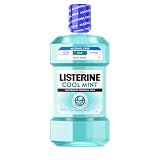
Listerine Cool Mint Alcohol Free Mouthwash
Listerine Cool Mint Alcohol Free Mouthwash
Best for: budget-conscious shoppers who want a familiar essential-oil formula without alcohol
- Four essential oils (eucalyptol, menthol, methyl salicylate, thymol) in an alcohol-free base
- Widely available at any drugstore or supermarket
- No alcohol, no burning sensation
- Mild Mint flavor, gentler than classic Listerine
- +Contains the same four essential oils as classic Listerine, in an alcohol-free base with no burning sensation
- +The cheapest bottle on this list, stocked at nearly every drugstore
- +Mild flavor suits people who find classic Listerine overwhelming
- −Not specifically formulated for tonsil stones, a general-purpose freshening rinse
- −The alcohol-free version doesn't carry the clinical antiseptic labeling or ADA Seal of the original alcohol formula
(Affiliate link) · Free shipping on eligible Prime items
Why We Recommend It
Listerine’s alcohol-free Cool Mint (the bottle Listerine used to label “Zero Alcohol” now reads “Alcohol Free”) carries the brand’s signature essential oils (eucalyptol, menthol, methyl salicylate, and thymol) without the sting of a high-alcohol antiseptic hitting raw throat tissue. Dropping the alcohol does not appear to cost plaque control: a six-month randomized trial comparing alcohol-free and alcohol-based essential-oil rinses found both cut gingivitis and plaque significantly versus brushing alone, with no statistically significant difference between the two rinses at any time point. That trial measured plaque and gum inflammation rather than tonsil stones or breath, so read it as evidence the alcohol-free formula controls plaque as well as the original, not as a tonsil-stone cure. It’s also the most accessible and affordable option on this list, at around $8 for a full liter.
Key Features
- Four essential oils: eucalyptol, menthol, methyl salicylate, thymol
- Widely available at any drugstore or supermarket
- Kills 99.9% of germs that cause bad breath, per Listerine’s own label claim
- No alcohol, no burning sensation
- Mild Mint flavor, noticeably gentler than the classic formula
Who It’s Best For
Budget-conscious shoppers who want a familiar essential-oil formula without alcohol. It’s also ideal for people who are new to managing tonsil stones and want to start with something familiar and accessible. One honest note: the deep clinical record and the ADA Seal belong to Listerine’s original alcohol-based Antiseptic, not this version. What you’re buying here is the essential-oil blend in a gentler base.
Potential Downsides
- Essential oil formulas can still cause mild throat irritation in very sensitive individuals
- Not specifically formulated for tonsil stones: it’s a general-purpose freshening rinse
- Some users find the mint intensity a bit low compared to the original Listerine
(Affiliate link) · Free shipping on eligible Prime items
H2Ocean Healing Rinse Mouthwash
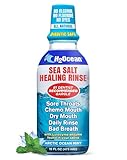
H2Ocean Healing Rinse Mouthwash
Best for: people who prefer a more natural, minimal-ingredient formula
- Red Sea salt base (hand-harvested)
- Xylitol, a sweetener oral bacteria can't feed on
- Completely alcohol-free and fluoride-free
- Arctic mint flavor for freshness
- +Natural, minimal-ingredient formula built on hand-harvested Red Sea salt and xylitol
- +Completely alcohol-free and fluoride-free
- +Good fit for anyone sensitive to synthetic chemicals or avoiding fluoride
- −The salt taste isn't for everyone
- −May require more vigorous gargling to reach deep tonsil crypts
(Affiliate link) · Free shipping on eligible Prime items
Why We Recommend It
H2Ocean’s Healing Rinse takes a nature-forward approach built on salt, and salt water has genuine standing in tonsil-stone care: both Cleveland Clinic and the AAFP’s patient guidance recommend warm salt-water gargling to help dislodge stones. On the antibacterial side the evidence is small and limited to the mouth: in a five-day randomized trial in 30 schoolchildren aged 12 to 15, salt-water rinsing matched chlorhexidine on dental plaque and one gum-disease bacterium, while chlorhexidine stayed ahead on three other species. H2Ocean pairs its hand-harvested Red Sea salt with xylitol, a sweetener that the ADA notes is not a suitable energy source for oral bacteria.
Key Features
- Red Sea salt base (hand-harvested)
- Xylitol, a sweetener oral bacteria can’t feed on
- Completely alcohol-free and fluoride-free
- Arctic mint flavor for freshness
- Marketed by H2Ocean for tonsil stones, sore throats, and healing mouths
Who It’s Best For
People who prefer a more natural, minimal-ingredient formula. It’s also a great pick for those who are sensitive to synthetic chemicals or want to avoid fluoride in their rinse. At around $17 for a 16-ounce bottle, it sits in the middle of the price range on this list.
Potential Downsides
- The salt taste isn’t for everyone
- Less research behind proprietary formulas compared to clinical-grade rinses
- May need to gargle more vigorously to reach deep tonsil crypts
(Affiliate link) · Free shipping on eligible Prime items
Briotech Oral Swish Hypochlorous Acid Mouthwash
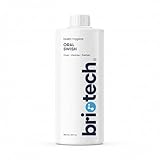
Briotech Oral Swish Hypochlorous Acid Mouthwash
Best for: people with particularly sensitive tonsils or those recovering from throat irritation who still need an effective antibacterial rinse
- Hypochlorous acid (HOCl) as the active ingredient
- Alcohol-free and fluoride-free
- Fragrance-free and taste-neutral — no mint required
- Suitable for post-procedure use or sensitive oral environments
- +Hypochlorous acid is exceptionally gentle, ideal for sensitive or recovering tonsil tissue
- +Alcohol-free and fluoride-free, with no harsh chemicals
- +Fragrance-free and taste-neutral for anyone who dislikes strong flavors
- −The neutral, no-mint taste feels unfamiliar to many users
- −Sold primarily online, so less accessible at local stores
(Affiliate link) · Free shipping on eligible Prime items
Why We Recommend It
Briotech’s Oral Swish is built around hypochlorous acid (HOCl), an antimicrobial used in wound care and a growing number of oral products. It’s exceptionally gentle—making it a standout option for people with sensitive tonsil tissue or those who’ve had recent tonsil-related discomfort. Despite its gentleness, this formula may help with reducing the bacterial load around the tonsils without any harsh chemicals, alcohol, or fluoride.
Key Features
- Hypochlorous acid (HOCl) as the active ingredient
- Alcohol-free and fluoride-free
- Fragrance-free and taste-neutral: no mint required
- Suitable for post-procedure use or sensitive oral environments
Who It’s Best For
People with particularly sensitive tonsils or those recovering from throat irritation who still need an effective antibacterial rinse. Also a strong pick for anyone who dislikes strong flavors in their mouthwash. Expect to pay around $23 for a 32-ounce bottle, toward the premium end of this list.
Potential Downsides
- The neutral taste and no-mint approach feels unfamiliar to many mouthwash users
- Less name recognition means fewer independent clinical studies specifically on this product
- The smallest review base on this list, at roughly 940 Amazon ratings
- Sold primarily online, so less accessible at local stores
(Affiliate link) · Free shipping on eligible Prime items
Buyer’s Guide: What to Look For
Avoid Alcohol
The tonsil-stone sources are consistent on this: Mayo Clinic guidance specifies a mouthwash without an alcohol base, and GoodRx makes alcohol-free rinsing its first home remedy. One honest caveat, because the “alcohol dries your mouth out” claim gets repeated everywhere in stronger form than the evidence supports: the ADA’s mouthrinse guidance goes only as far as saying that since alcohol can be drying, an alcohol-free rinse “may be prudent” for people managing dry mouth, and a 12-week randomized trial found no difference in salivary flow between alcohol and alcohol-free rinses in people with normal saliva. The practical case is comfort: a high-alcohol antiseptic stings on already-irritated throat tissue, and daily gargling is exactly what this job requires. If you already struggle with dry mouth, the best mouthwash for dry mouth can help you manage both concerns at once.
Prioritize Antibacterial Active Ingredients
Look for one or more of the following on the label:
- Chlorine dioxide (stabilized chlorine dioxide, as in CloSYS) or sodium chlorite (TheraBreath’s OXYD-8)
- Zinc ions: a small clinical trial of a zinc toothpaste-and-rinse regimen found hydrogen sulfide, one of the main sulfur compounds behind bad breath, fell significantly after use; it fell on the placebo regimen too, and the authors judged the zinc regimen the more effective
- Essential oils (eucalyptol, thymol, menthol, methyl salicylate)
- Hypochlorous acid: gentle yet effective antimicrobial
Gargling Technique Matters as Much as Product Choice
The best mouthwash in the world won’t reach tonsil stones if you’re not gargling long enough or forcefully enough. Aim for 30–60 seconds of vigorous gargling to maximize contact with the tonsil crypts where stones form. Oral-B’s tonsil-stone guidance recommends rinsing and gargling with salt water or an alcohol-free mouthwash in the morning, at night, and after meals as part of prevention, and warns against trying to dig stones out at home.
Consider pH Balance
Harsh, acidic mouthwashes may irritate the delicate tissue around the tonsils. Look for pH-balanced formulas if you’re gargling frequently.
Salt Water as a Supplement
Don’t underestimate a simple warm saltwater rinse. Cleveland Clinic lists warm salt-water gargling among things to try for dislodging stones at home, and the AAFP’s patient handout gives the recipe: one teaspoon of salt mixed with eight ounces of warm water. Using a saline rinse in between mouthwash sessions is a low-cost addition to your routine.
FAQ
Q: Can mouthwash actually get rid of tonsil stones? A: Mouthwash alone is unlikely to fully remove established tonsil stones, and no peer-reviewed trial has tested any rinse against them. What the guidance supports is narrower: GoodRx lists alcohol-free mouthwash first among home remedies, for helping dislodge stones and killing the bacteria around them, and Mayo Clinic guidance frames the alcohol-free rinse as prevention that cuts the bacteria stones form from. Vigorous gargling is key, and people with deep tonsil crypts consistently report that even that has limits.
Q: How often should I gargle if I have tonsil stones? A: Oral-B’s tonsil-stone guidance is to rinse and gargle morning, night, and after meals. Always follow the product’s label instructions.
Q: Is alcohol-free mouthwash really that important for tonsil stones? A: The sources that cover tonsil stones recommend it: Mayo Clinic guidance specifically names a mouthwash without an alcohol base, and GoodRx leads with alcohol-free rinsing. The commonly repeated claim that alcohol rinses cause dry mouth is softer in the actual evidence (the ADA says only that an alcohol-free rinse “may be prudent” since alcohol can be drying), so the strongest everyday reason is comfort: alcohol stings on irritated throat tissue, and tonsil-stone care means gargling daily.
Q: Should I see a doctor about tonsil stones? A: If tonsil stones are large, painful, recurring frequently, or causing significant difficulty swallowing, it’s worth consulting an ENT (ear, nose, and throat specialist) or your dentist. Persistent cases may warrant professional removal or, in severe situations, a tonsillectomy. Mouthwash is a supportive measure, not a medical treatment.
Q: Does chlorhexidine mouthwash work for tonsil stones? A: Chlorhexidine is a powerful prescription-strength antibacterial rinse, but like every other rinse it has never been tested against tonsil stones specifically. In a head-to-head trial in 30 schoolchildren aged 12 to 15, it beat salt water on three of four oral bacteria measured, while salt water matched it on dental plaque and the fourth species. Chlorhexidine should only be used under dental supervision, as long-term use may cause tooth staining.
Q: Can diet affect tonsil stone formation? A: Possibly, though the evidence here is anecdotal rather than clinical. Cutting back on dairy is a change long-term sufferers frequently report helping in the tonsil-stone communities we track, with sugar and refined carbohydrates mentioned as well. Staying well-hydrated and maintaining good post-meal oral hygiene (including rinsing) may help with reducing the debris that accumulates in the tonsil crypts. Using a water flosser set to a low pressure setting, or a dedicated tonsil stone removal tool, to gently irrigate or lift stones around the tonsil area is also a strategy some people find helpful.
Our Methodology
We research each product category by consulting peer-reviewed clinical literature (linked inline where it supports a specific claim), guidance from professional bodies including the ADA and AAFP, patient guidance from major medical institutions (Cleveland Clinic, Mayo Clinic), reporting from medically reviewed health outlets such as GoodRx, and aggregated user feedback from verified purchasers and the tonsil-stone communities we track. We do not accept free products in exchange for positive reviews. Where affiliate links are included, they are disclosed clearly and do not influence which products we recommend or how we rank them. Our goal is to give you the same assessment a knowledgeable friend who’s done the research would offer: practical, balanced, and grounded in evidence.
We update our reviews regularly as new products enter the market and as new clinical evidence becomes available. This article was last fully reviewed in August 2026, with every product listing, rating, and citation re-verified live, and the lineup order was last adjusted in September 2026.