
The Short Answer
Gum recession cannot reverse itself naturally — once gum tissue pulls away from your teeth, it doesn’t grow back on its own. However, there are effective ways to stop further recession and restore lost tissue. Mild cases can often be managed with improved oral hygiene, professional deep cleanings, and lifestyle changes. More advanced recession may require surgical procedures such as gum grafting or the pinhole surgical technique. The right approach depends on the severity of your recession and its underlying cause, so we always recommend consulting your dentist for personalised advice.
What Is Gum Recession and Why Does It Happen?
Gum recession occurs when the gum tissue surrounding your teeth wears away or pulls back, exposing more of the tooth — or even the tooth’s root. This creates gaps or “pockets” between the teeth and gum line, making it easier for harmful bacteria to build up. Left untreated, the supporting tissue and bone structures can become severely damaged, potentially leading to tooth loss.
According to the ADA, periodontal (gum) disease is one of the leading causes of gum recession in adults. But it’s far from the only culprit. Understanding why your gums are receding is the critical first step in figuring out how to fix receding gums effectively.
Common Causes of Gum Recession
- Periodontal disease: Bacterial gum infections destroy gum tissue and the bone that holds teeth in place. This is the most common cause.
- Aggressive brushing: Brushing too hard or using a hard-bristled toothbrush can wear away enamel and push gums back over time.
- Insufficient oral hygiene: Not brushing or flossing regularly allows plaque to harden into tartar, which promotes gum recession.
- Genetics: Some people are more predisposed to gum disease regardless of how well they care for their teeth.
- Hormonal changes: Fluctuations during puberty, pregnancy, and menopause can make gums more sensitive and vulnerable to recession.
- Tobacco use: Smoking or chewing tobacco creates a sticky plaque on teeth that’s difficult to remove, accelerating gum recession.
- Teeth grinding and clenching (bruxism): Excessive force on the teeth can cause gums to recede.
- Misaligned teeth or bite: Crooked teeth or an uneven bite can place uneven force on gums and bone.
- Lip or tongue piercings: Jewellery can rub against gum tissue, wearing it away over time.
How to Spot Receding Gums Early
Many people don’t notice gum recession until it’s fairly advanced because it happens gradually. Here are the warning signs to watch for:
- Teeth appear longer than usual — this is one of the most telling visual clues.
- Tooth sensitivity — exposed roots are not covered by protective enamel, making them sensitive to hot, cold, or sweet foods and drinks. Choosing the best toothpaste for gum recession — specifically low-abrasivity formulas with potassium nitrate or stannous fluoride — can significantly reduce this discomfort.
- A notch or groove at the gum line — you may feel a small indentation where the gum meets the tooth.
- Visible tooth roots — roots may become visible below the gum line.
- Loose teeth — in advanced cases, teeth may feel loose due to bone loss.
- Bleeding gums — especially when brushing, flossing, or eating hard foods.
If you notice any of these signs, schedule a dental appointment promptly. Early intervention makes a significant difference in outcomes. In the meantime, switching to a toothpaste designed for both sensitivity and gum health — like one from our best toothpaste for sensitive teeth roundup — can provide immediate relief while you address the underlying cause.
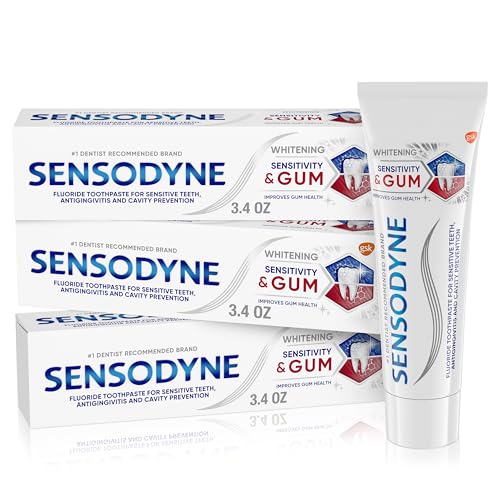
Sensodyne Sensitivity & Gum
Best for: Dual relief for sensitivity and gum recession
- Targets both sensitivity and gum line health in one formula
- Potassium nitrate soothes exposed root nerve endings
- Stannous fluoride fights gum disease bacteria
- Low-abrasivity formula safe for exposed roots
✓ Free shipping with Prime · ✓ Amazon's price guarantee · Affiliate link
✓ Free shipping with Prime · ✓ Amazon's price guarantee · Affiliate link
Non-Surgical Treatments for Receding Gums
For mild to moderate gum recession, non-surgical approaches can be highly effective at stopping further damage and improving gum health. These are typically the first line of treatment your dentist will recommend.
Professional Deep Cleaning (Scaling and Root Planing)
Often called a “deep clean,” scaling and root planing is a two-part procedure performed by a dentist or dental hygienist. During scaling, tartar and plaque are carefully removed from above and below the gum line. Root planing smooths the tooth root surfaces, making it harder for bacteria to attach and allowing gums to reattach more effectively.
The NHS notes that regular professional cleaning is a cornerstone of treating and preventing gum disease. Your dental team may recommend this procedure before considering any surgical options.
Topical Antibiotics and Antimicrobial Rinses
If your recession is linked to periodontal disease, your dentist may prescribe topical antibiotics — gels or strips placed directly into the gum pockets — to eliminate bacteria. Antimicrobial mouth rinses can also help control bacterial levels and reduce inflammation between visits. These are used alongside professional cleaning, not as a standalone solution.
Desensitising Agents and Bonding
For patients whose primary complaint is tooth sensitivity from exposed roots, dentists can apply desensitising agents or use tooth-coloured composite resin to bond over the exposed root surface. This provides both cosmetic improvement and sensitivity relief, though it doesn’t regenerate lost gum tissue.
Orthodontic Treatment
In cases where misaligned teeth or an uneven bite are contributing to recession, orthodontic treatment (braces or clear aligners) can reposition teeth to distribute biting forces more evenly. This can slow or stop recession in specific areas. Consult your dentist for personalised advice on whether orthodontics could benefit your situation.
Surgical Treatments for Receding Gums
When recession is more advanced — particularly when bone loss is involved or pockets have become too deep — surgical intervention may be necessary.
Gum Graft Surgery
Gum grafting is the most established surgical approach for repairing receded gums. There are three main types:
- Connective tissue graft: The most common type. A flap of skin is cut from the roof of your mouth, and tissue from under the flap (called subepithelial connective tissue) is stitched over the exposed root.
- Free gingival graft: Tissue is taken directly from the roof of the mouth and attached to the affected area. This is often used for people with thin gums who need additional tissue to prevent further recession.
- Pedicle (lateral) graft: Tissue is grafted from gum near the affected tooth rather than from the palate. The tissue is partially cut and pulled over the exposed root.
Recovery from gum graft surgery typically takes one to two weeks, during which you’ll need to eat soft foods and avoid brushing the surgical site directly.
Pinhole Surgical Technique (PST)
The pinhole surgical technique is a newer, minimally invasive alternative to traditional gum grafting. Instead of cutting and stitching tissue, the dentist makes a tiny pinhole in the existing gum tissue, then uses special instruments to gently loosen and reposition it over the exposed root. Collagen strips are inserted to stabilise the tissue in its new position.
Benefits of PST include less discomfort, faster recovery, no sutures, and the ability to treat multiple teeth in a single session. However, it may not be suitable for all cases, and long-term research is still developing compared to traditional grafting.
Guided Tissue Regeneration
When bone has been destroyed by gum disease, a regenerative procedure may be recommended. The dentist folds back the gum tissue, removes disease-causing bacteria, and then places a biocompatible membrane, bone graft material, or tissue-stimulating proteins to encourage the body to regenerate lost bone and tissue naturally.
Step-by-Step: How to Prevent Further Gum Recession at Home
Whether you’ve had professional treatment or are managing mild recession, protecting your gums at home is essential. Follow these steps daily to help prevent further recession:
Step 1: Switch to a Soft-Bristled Toothbrush
Hard or medium bristles can damage delicate gum tissue. The ADA recommends using a soft-bristled toothbrush and replacing it every three to four months (or sooner if bristles are frayed). Electric brushes with built-in pressure sensors are especially helpful — see our picks for the best toothbrush for receding gums.
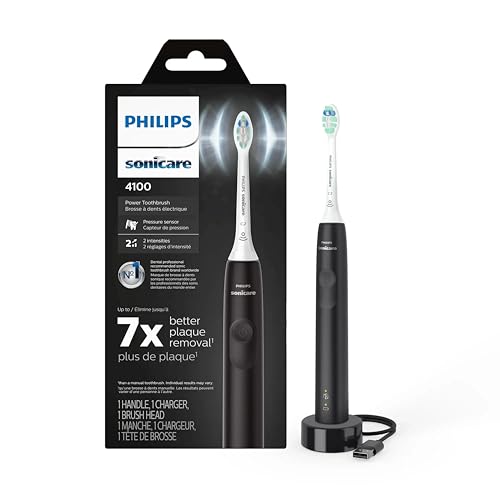
Philips Sonicare ProtectiveClean 4100
Best for: Pressure-sensing brush for receding gums
- Built-in pressure sensor — alerts when you're brushing too hard
- Gentle sonic vibrations won't aggravate receding gum tissue
- 2-minute timer with quadrant pacer for thorough coverage
- Compatible with sensitive brush heads for extra comfort
✓ Free shipping with Prime · ✓ Amazon's price guarantee · Affiliate link
✓ Free shipping with Prime · ✓ Amazon's price guarantee · Affiliate link
Step 2: Master Your Brushing Technique
Hold your toothbrush at a 45-degree angle to your gum line. Use short, gentle, circular strokes rather than aggressive back-and-forth scrubbing. An electric toothbrush with a pressure sensor can help you avoid applying too much force.
Step 3: Brush Twice Daily and Floss Once Daily
Consistency is critical. Brush for at least two minutes each session and floss once daily to remove plaque from areas your toothbrush can’t reach. The ADA considers both practices fundamental to preventing gum disease.
Step 4: Use an Antimicrobial or Therapeutic Mouthwash
Rinsing with an ADA-accepted antimicrobial mouthwash can help reduce plaque and bacteria that contribute to gum disease. Look for products with the ADA Seal of Acceptance for reassurance of safety and effectiveness. Our roundup of the best mouthwash for receding gums highlights the gentlest alcohol-free formulas suited to exposed root surfaces.
Step 5: Quit Tobacco Products
Tobacco in any form — cigarettes, cigars, chewing tobacco, or vapes — significantly increases your risk of gum disease and slows healing. Quitting is one of the most impactful changes you can make for your gum health.
Step 6: Address Teeth Grinding
If you grind or clench your teeth, talk to your dentist about a custom night guard. Reducing the excessive force on your teeth can help protect gums and prevent further recession.
Step 7: Keep Up with Regular Dental Visits
Professional cleanings and check-ups — typically every six months, or more frequently if you have gum disease — allow your dental team to monitor recession and catch problems early. The NHS recommends regular dental check-ups as a key part of maintaining oral health.
Step 8: Eat a Balanced, Nutrient-Rich Diet
Vitamins C and D, calcium, and omega-3 fatty acids all support gum and bone health. A well-rounded diet rich in fruits, vegetables, lean proteins, and dairy can help your body maintain strong gum tissue.
Can Receding Gums Grow Back Naturally?
This is one of the most common questions we hear, and we want to be straightforward: gum tissue does not regenerate on its own once it has receded. Unlike some tissues in the body, gum tissue lacks the ability to grow back naturally. Claims about home remedies like oil pulling, green tea rinses, or aloe vera gel “regrowing” gums are not supported by robust clinical evidence.
That said, these practices aren’t necessarily harmful and may offer supplementary benefits for overall oral hygiene. Oil pulling with coconut oil, for example, may help reduce certain oral bacteria, but it should never replace brushing, flossing, or professional dental care.
The best approach is to focus on stopping further recession through proper oral care and professional treatment, and to explore surgical options if tissue restoration is needed. Always consult your dentist for personalised advice about what’s appropriate for your specific situation.
FAQ
Can receding gums be reversed without surgery?
Gum tissue that has already receded cannot regrow without surgical intervention. However, non-surgical treatments like scaling and root planing, improved oral hygiene, and topical antibiotics can effectively stop further recession and improve overall gum health. For mild cases, these measures may be all that’s needed.
How much does gum recession treatment cost?
Costs vary widely depending on the treatment. A professional deep cleaning may cost a few hundred pounds or dollars, while gum graft surgery can range from several hundred to several thousand per tooth, depending on the complexity and your location. Dental insurance may cover some or all of the cost if the procedure is deemed medically necessary. We recommend discussing costs and payment options with your dental practice. Our guide to dental insurance options can help you understand what coverage may apply to periodontal procedures.
Is gum graft surgery painful?
Most patients report that gum graft surgery is less painful than they expected. Local anaesthesia is used during the procedure, so you shouldn’t feel pain during surgery. Post-operative discomfort is common but generally manageable with over-the-counter pain relief and typically subsides within a week or two. Your dentist will provide detailed aftercare instructions.
How long does it take to recover from gum recession surgery?
Recovery time depends on the procedure. Traditional gum grafting usually requires one to two weeks of healing, during which you’ll eat soft foods and avoid the surgical area while brushing. The pinhole surgical technique often has a shorter recovery, with many patients returning to normal activities within a day or two. Full tissue maturation and final results may take several months.
Does teeth grinding cause gum recession?
Yes, bruxism (teeth grinding and clenching) is a recognised contributing factor to gum recession. The excessive pressure placed on teeth can cause gum tissue to pull away over time. If you suspect you grind your teeth — especially at night — consult your dentist about a custom mouth guard to protect your teeth and gums.
When should I see a dentist about receding gums?
We recommend scheduling an appointment as soon as you notice any signs of gum recession, such as increased tooth sensitivity, teeth appearing longer, visible roots, or a notch at the gum line. Early intervention is crucial for preventing further damage and preserving your natural teeth. The ADA advises regular dental check-ups as the best way to catch gum problems early.