
Receding gums are one of those things that can sneak up on you — and once the gum tissue pulls back, it doesn’t grow back on its own. That means the toothbrush you use every single day matters more than most people realize. The wrong brush, or the right brush used too aggressively, can quietly make the problem worse over time.
The good news: the right toothbrush may help with slowing the progression of gum recession and protecting the sensitive root surfaces that get exposed as gums recede. According to the ADA (American Dental Association), using a soft-bristled toothbrush and replacing it every three to four months are two of the simplest steps you can take for better gum health. Your toothbrush is only one piece of the puzzle — pairing it with the best toothpaste for gum recession and a mouthwash for receding gums gives you the most complete daily protection.
We’ve dug into the research, sifted through dentist recommendations, and evaluated the most popular options on the market to bring you this guide. Whether you’re dealing with early-stage recession or just want to be proactive, here’s what we found.
How We Evaluated
We looked at each toothbrush through a few key lenses that matter specifically for people managing receding gums:
- Bristle softness and design — Extra-soft or soft bristles are non-negotiable. Stiff bristles are a leading contributor to gum recession, according to ADA guidance.
- Pressure sensor technology — Many people brush too hard without realizing it. Brushes with built-in pressure alerts help break that habit.
- Brushing mode variety — A sensitive or gum care mode reduces intensity for vulnerable areas.
- Head size and maneuverability — Smaller heads make it easier to reach along the gumline without pressing too hard.
- User reviews and clinical reputation — We factored in real-world feedback from people who specifically noted gum sensitivity or recession.
- Price and long-term value — We included options across a range of budgets.
Philips Sonicare 4100 — Best Overall for Receding Gums
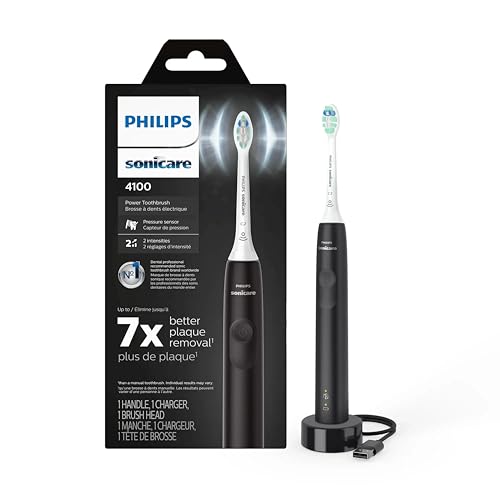
Philips Sonicare 4100
Best for: Anyone with mild to moderate gum recession who brushes too hard
- Pressure sensor with visual and tactile alert
- Sensitive mode for vulnerable gum areas
- Two-minute timer with 30-second quadrant reminders
- Two-week battery life per charge
✓ Free shipping with Prime · ✓ Amazon's price guarantee · Affiliate link
Why We Recommend It
The Philips Sonicare 4100 consistently tops dentist recommendation lists, and for good reason. Its sonic vibration technology — producing up to 62,000 brush movements per minute — may help with clearing plaque along the gumline without the scrubbing motion that can damage sensitive tissue. Wirecutter has recommended it as one of the top two electric toothbrushes overall, and it earns high marks specifically for people with gum sensitivity.
The built-in pressure sensor is the standout feature here. When you press too hard, the brush pulses differently to alert you — a simple but genuinely effective way to retrain brushing habits over time.
Key Features
- Pressure sensor with visual and tactile alert
- Sensitive mode for vulnerable gum areas
- Two-minute timer with 30-second quadrant reminders
- Compact brush head with soft nylon bristles
- Two-week battery life per charge
Who It’s Best For
Anyone with mild to moderate gum recession who wants a reliable, no-fuss electric toothbrush. It’s also a strong pick for people who’ve been told by their dentist that they brush too hard.
Potential Downsides
No Bluetooth connectivity or brushing tracking if you want detailed data. The replacement brush heads can add up in cost over time.
✓ Free shipping with Prime · ✓ Amazon's price guarantee · Affiliate link
Oral-B iO Series 3 — Best Value with Smart Pressure Sensing
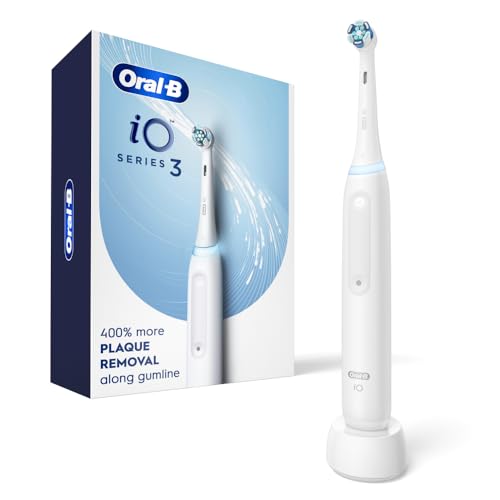
Oral-B iO Series 3
Best for: Budget-conscious shoppers transitioning from manual to electric for the first time
- Color-changing pressure sensor (green/red/white)
- Round oscillating-rotating head with micro-vibrations
- Sensitive brushing mode
- Magnetic charging stand
✓ Free shipping with Prime · ✓ Amazon's price guarantee · Affiliate link
Why We Recommend It
The Oral-B iO Series 3 brings oscillating-rotating technology together with a pressure sensor that actually changes color — green when pressure is right, red when you’re pressing too hard. That visual cue is surprisingly effective at helping people develop gentler habits. According to research cited by Oral-B, its micro-vibration technology is designed to reach just below the gumline, which matters when you’re trying to manage recession.
DentalReviewed.com notes this brush as the best balance of gum-protective features and value for people with receding gums, and we agree.
Key Features
- Color-changing pressure sensor (green/red/white)
- Round oscillating-rotating head with micro-vibrations
- Sensitive brushing mode
- Two-minute smart timer
- Magnetic charging stand
Who It’s Best For
Budget-conscious shoppers who still want genuine smart features. Also great for people transitioning from manual to electric for the first time.
Potential Downsides
The oscillating motion feels different from sonic brushes — some people love it, others find it takes longer to adjust to.
✓ Free shipping with Prime · ✓ Amazon's price guarantee · Affiliate link
Philips Sonicare 9900 Prestige — Best Premium Pick
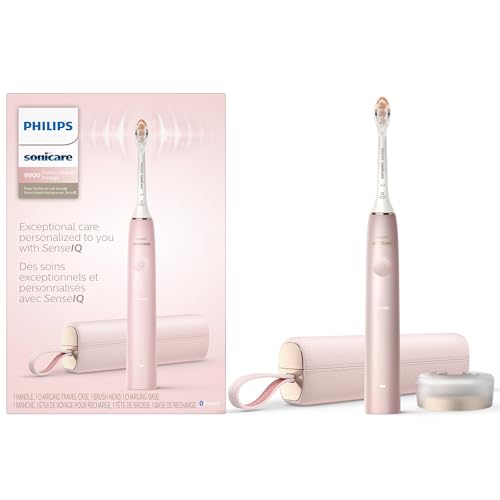
Philips Sonicare 9900 Prestige
Best for: People with more advanced gum recession or those who want detailed brushing feedback
- AI-powered SenseIQ pressure and motion sensing
- App-connected with personalized coaching
- Four modes including Gum Health and Sensitive
- Premium soft brush head included
✓ Free shipping with Prime · ✓ Amazon's price guarantee · Affiliate link
Why We Recommend It
If you want the most sophisticated gum-protection technology available, the Sonicare 9900 Prestige is a serious contender. CNET’s testers specifically noted it as a “lifesaver” for people with sensitive gums, thanks to its AI-powered pressure sensing that detects not just how hard you’re pressing but also where on your mouth you’re pressing too hard. It connects to an app that gives you personalized brushing feedback over time.
For someone whose gum recession is advanced or whose dentist has flagged overbrushing as a key concern, the investment may well be worth it.
Key Features
- AI-powered SenseIQ pressure and motion sensing
- App-connected with personalized coaching
- Four brushing modes including Gum Health and Sensitive
- Premium soft brush head included
- Long-lasting battery (up to two weeks)
Who It’s Best For
People with more advanced gum recession, or those who are motivated by data and want detailed feedback on their brushing technique. Also suitable for anyone whose dentist has specifically recommended a gum-care protocol.
Potential Downsides
One of the most expensive options on this list. The app features, while useful, aren’t essential — you’re paying a premium for them.
✓ Free shipping with Prime · ✓ Amazon's price guarantee · Affiliate link
Oral-B Pro 1000 — Best Budget Electric Option
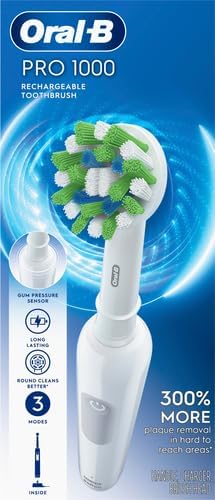
Oral-B Pro 1000
Best for: First-time electric toothbrush users who want gum-safe features at a low price
- Pressure sensor cuts motor speed when brushing too hard
- Oscillating-rotating-pulsating cleaning action
- Two-minute timer
- Compatible with all Oral-B replacement heads
✓ Free shipping with Prime · ✓ Amazon's price guarantee · Affiliate link
Why We Recommend It
The Oral-B Pro 1000 has been around since 2012, and as Wired notes, it has outlasted and outperformed flashier models because it’s powerful and priced right. It features a basic pressure sensor, a round oscillating head that cleans along the gumline effectively, and a timer — everything you actually need without paying for features you might not use.
For someone who wants to upgrade from a manual toothbrush without spending a lot, this is where we’d start.
Key Features
- Basic pressure sensor that cuts motor speed when brushing too hard
- Oscillating-rotating-pulsating cleaning action
- Two-minute timer
- Compatible with all Oral-B replacement heads
- Widely available replacement brush heads
Who It’s Best For
First-time electric toothbrush users, students, or anyone who wants gum-safe features at the lowest possible price point.
Potential Downsides
No brushing modes beyond the default clean. Fewer premium features compared to higher-end models. Can be slightly louder than sonic options.
✓ Free shipping with Prime · ✓ Amazon's price guarantee · Affiliate link
Radius Tour Travel Toothbrush — Best Manual Option
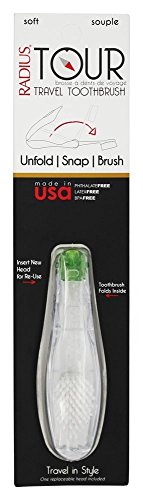
Radius Tour Travel Toothbrush
Best for: Manual brush users committed to proper technique, and travelers
- Extra-wide brush head to distribute pressure
- Ultra-soft, BPA-free nylon bristles
- Ergonomic handle for proper 45-degree angle
- Replaceable brush head (reduces plastic waste)
✓ Free shipping with Prime · ✓ Amazon's price guarantee · Affiliate link
Why We Recommend It
Not everyone wants or needs an electric toothbrush. If you prefer manual, the Radius Tour is one of the most thoughtfully designed options for gum health. Its extra-wide head distributes pressure across more teeth at once, which means less focused force on any single spot along the gumline. The bristles are BPA-free and notably soft, and the ergonomic handle makes it easier to maintain a 45-degree angle — the position the ADA recommends for effective gum-line cleaning.
Key Features
- Extra-wide brush head to distribute brushing pressure
- Ultra-soft, BPA-free nylon bristles
- Ergonomic handle design
- Compact enough for travel
- Replaceable brush head (reducing plastic waste)
Who It’s Best For
Manual brush users who are committed to proper technique, travelers, or anyone who prefers a simpler tool. Also a solid backup brush for electric toothbrush users.
Potential Downsides
Requires more personal discipline around technique and timer use than electric options. The wide head takes some adjustment if you’re used to standard brush sizes.
✓ Free shipping with Prime · ✓ Amazon's price guarantee · Affiliate link
Boka Electric Toothbrush — Best for Sensitivity + Natural-Minded Users
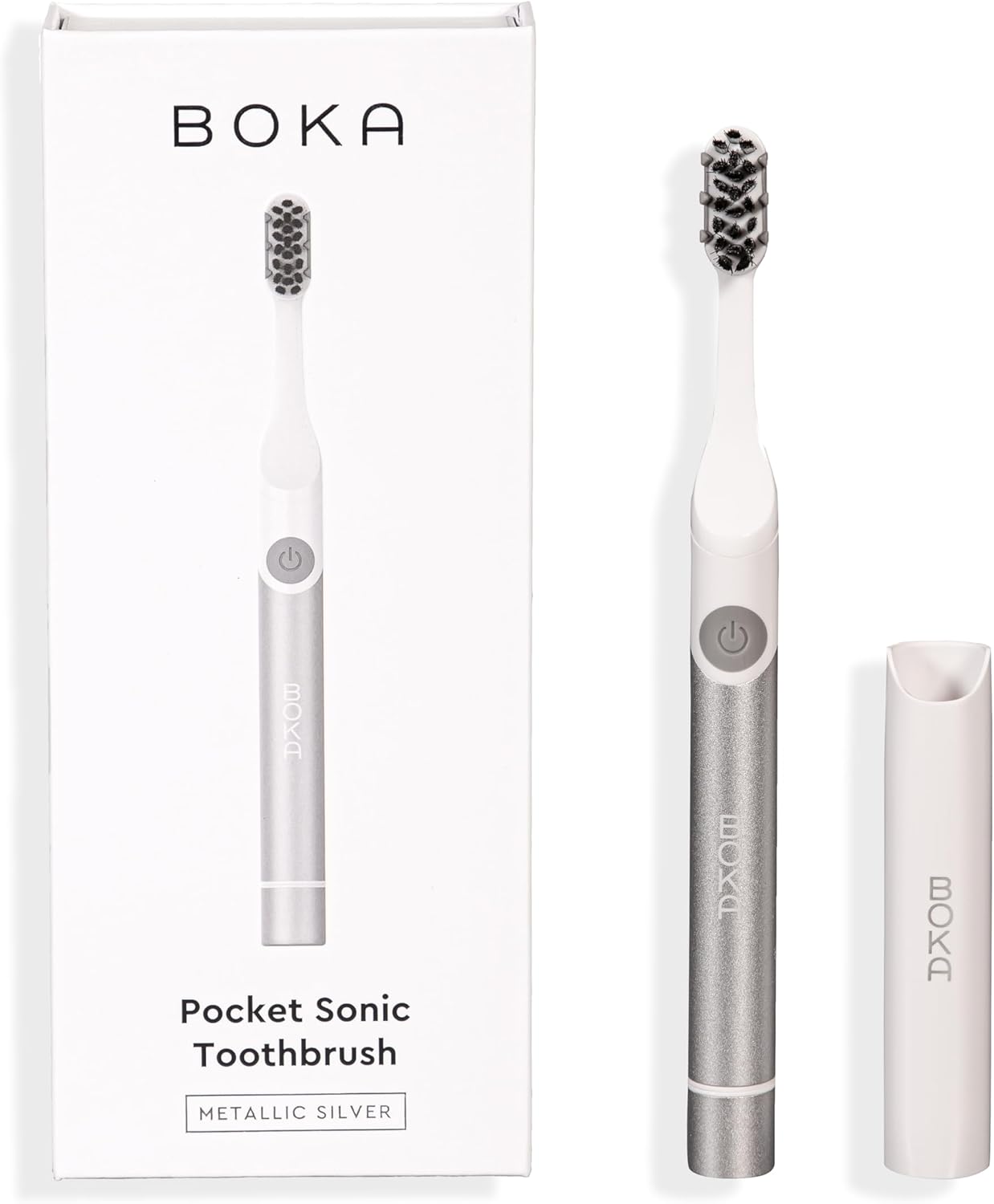
Boka Electric Toothbrush
Best for: People who prefer natural dental products and those with heightened gum sensitivity
- Activated charcoal bristle technology
- Gentler sonic frequency for sensitive gums
- Multiple brushing modes
- USB charging
✓ Free shipping with Prime · ✓ Amazon's price guarantee · Affiliate link
Why We Recommend It
The Boka electric toothbrush takes a slightly different approach: it uses activated charcoal-infused bristles that, according to Boka, may help with limiting bacteria growth at the gumline. Yahoo Health noted it as a standout for this feature among 2026’s tested electric brushes. It also runs at a lower vibration frequency than some sonic brushes, which many people with gum sensitivity find more comfortable.
Key Features
- Activated charcoal bristle technology
- Gentler sonic frequency suited to sensitive gums
- Multiple brushing modes
- USB charging
- Compatible with nano-hydroxyapatite toothpaste (Boka’s specialty)
Who It’s Best For
People who prefer natural or non-fluoride dental products, those with heightened gum sensitivity, or anyone looking for a gentler brushing experience than mainstream sonic brushes provide.
Potential Downsides
Less independent clinical research on the charcoal bristle claims compared to established brands. Replacement heads are proprietary and may be harder to find locally.
✓ Free shipping with Prime · ✓ Amazon's price guarantee · Affiliate link
Colgate 360° Soft Manual Toothbrush — Best Simple Everyday Manual Pick
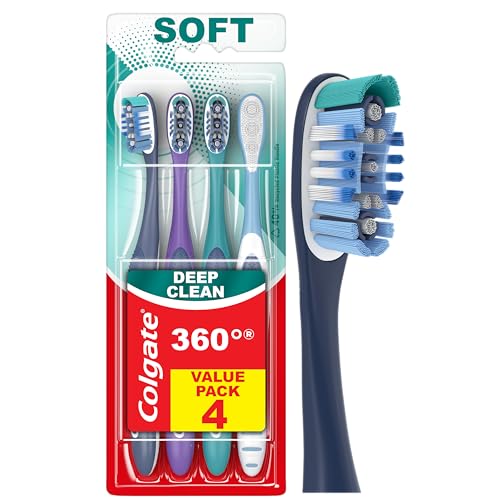
Colgate 360° Soft Manual Toothbrush
Best for: Anyone who wants a dependable everyday manual brush or a travel/backup option
- Soft nylon bristles meeting ADA gum-safety standards
- Polishing cups to clean between teeth
- Cheek and tongue cleaner on brush back
- Widely available and very affordable
✓ Free shipping with Prime · ✓ Amazon's price guarantee · Affiliate link
Why We Recommend It
Sometimes you just want a reliable, affordable manual toothbrush you can pick up anywhere. The Colgate 360° Soft is a consistent recommendation from dental professionals for everyday gum care. Its polishing cups and cheek and tongue cleaner are thoughtful additions, and the soft bristles comply with ADA guidelines for gum-safe brushing. It’s the kind of brush you can keep in multiples and never have to think about.
Key Features
- Soft nylon bristles meeting ADA gum-safety standards
- Polishing cups to clean between teeth
- Cheek and tongue cleaner on the back of the head
- Comfortable grip handle
- Widely available and very affordable
Who It’s Best For
Anyone who wants a dependable manual brush for daily use, or as a travel or backup option. Great for kids or young adults developing gum-healthy habits early.
Potential Downsides
No timer, pressure feedback, or any smart features. Entirely dependent on the user’s brushing technique.
✓ Free shipping with Prime · ✓ Amazon's price guarantee · Affiliate link
Buyer’s Guide: What to Look For
Bristle Softness Is Non-Negotiable
According to the ADA, soft bristles are the safest choice for most adults, and for people with receding gums specifically, extra-soft options are often even better. Medium and firm bristles can wear away both gum tissue and enamel over time — even if they make your teeth feel “cleaner” immediately after brushing.
Pressure Sensors Are a Game-Changer
Research consistently shows that overbrushing is one of the most common causes of gum recession. According to Cleveland Clinic, pressure sensors and gentle brushing techniques significantly reduce the progression of gum recession. A pressure sensor that alerts you in real time may help with breaking the habit of pressing too hard — something that’s genuinely difficult to self-regulate without feedback.
Look for a Gum Care or Sensitive Mode
Many electric toothbrushes now include specific modes for gum health that run at lower intensity or use a different motion pattern. These are worth prioritizing if your gum recession is a primary concern.
Brush Head Size Matters
Smaller, more compact brush heads give you better control along the gumline. The ADA recommends holding your brush at a 45-degree angle to the gums, and a smaller head makes that angle easier to maintain consistently.
Electric vs. Manual
Electric toothbrushes generally do more of the work for you — particularly helpful if technique is a challenge. That said, a manual toothbrush used correctly with soft bristles and a two-minute timer can be equally effective, according to the ADA. The best brush is the one you’ll use properly every day.
FAQ
Q: Can a toothbrush actually stop gum recession from getting worse?
A: A toothbrush alone won’t reverse recession — gum tissue that has already receded doesn’t regenerate on its own. However, switching to the right toothbrush may help with slowing further progression by reducing the mechanical trauma of overbrushing. Your dentist or periodontist is the right person to evaluate the underlying cause and recommend treatment. For a comprehensive overview of both professional and at-home options, see our guide on how to fix receding gums.
Q: How often should I replace my toothbrush if I have receding gums?
A: According to the ADA, you should replace your toothbrush — or electric toothbrush head — every three to four months, or sooner if the bristles become frayed. Worn bristles are less effective and may be rougher on gum tissue.
Q: Is an electric toothbrush better than manual for receding gums?
A: Many dental professionals do recommend electric toothbrushes for people with receding gums, largely because features like pressure sensors and timers make it easier to brush gently and consistently. That said, the ADA does not declare one universally superior — proper technique with a soft manual brush is also effective.
Q: What brushing technique is safest for receding gums?
A: The ADA recommends holding the brush at a 45-degree angle to the gumline and using short, gentle back-and-forth strokes. Avoid aggressive scrubbing. Brushing for a full two minutes, twice a day, is the standard recommendation.
Q: Are charcoal bristle toothbrushes safe for receding gums?
A: The ADA has raised concerns about the abrasiveness of charcoal dental products in general, though charcoal-infused bristles differ from charcoal toothpaste. If you’re considering a charcoal bristle option, it’s worth checking with your dentist to see whether it’s appropriate for your specific situation.
Q: Can brushing too hard cause gum recession?
A: Yes. Abrasive brushing habits are one of the recognized contributors to gum recession, alongside gum disease, genetics, and teeth grinding. According to dental professionals cited across multiple sources, using a brush with a pressure sensor is one of the most practical ways to address this habit. If gum disease is the underlying driver of your recession, see our guide to the best mouthwash for gum disease for rinses that tackle the bacterial side of the problem.
Our Methodology
We don’t test dental products in a clinical laboratory, but we take our research seriously. For this roundup, we reviewed guidance from the ADA, evaluated picks featured by trusted editorial sources including Wirecutter, CNET, Forbes Vetted, and Health.com, and cross-referenced those picks against user feedback from people who specifically noted gum sensitivity or recession in their reviews.
We prioritized toothbrushes with verifiable soft-bristle construction, meaningful pressure sensing (not just marketing language), and strong track records from dental professionals. Our affiliate links help support the site, but they don’t influence our recommendations — we only include products we’d feel comfortable recommending to a friend who just got concerning news at a dental checkup.
As always, no toothbrush replaces a conversation with your dentist or periodontist. If your gums are receding, a professional evaluation is the right first step.