
The Short Answer
Dry socket (alveolar osteitis) occurs when the blood clot that normally forms after a tooth extraction becomes dislodged or dissolves prematurely, exposing the underlying bone and nerves. The fastest and most effective way to fix dry socket is to visit your dentist for professional treatment, which typically involves irrigating the socket and placing a medicated dressing to relieve pain and promote healing. While home remedies like warm salt water rinses and over-the-counter pain relievers can temporarily ease discomfort, they cannot replace professional care. If you have no dental insurance and are worried about the cost of follow-up care, our guide to emergency dental care without insurance walks through free and low-cost options. If you suspect you have dry socket, contact your dentist as soon as possible.
What Exactly Is Dry Socket?
After a tooth extraction, your body naturally forms a blood clot in the empty socket. This clot serves as a protective layer over the exposed bone and nerve endings, acting as a biological bandage that allows new tissue to grow underneath. Dry socket develops when this clot either fails to form properly, dissolves too early, or gets physically dislodged.
Without that protective clot, the bone, tissue, and nerve endings in the socket are exposed to air, food particles, and bacteria. This exposure triggers intense pain that can radiate from the socket up to the ear, eye, temple, or neck on the same side of the face.
According to the Cleveland Clinic, dry socket is the most common complication following tooth extraction, occurring in roughly 2–5% of all extractions and up to 30% of wisdom tooth removals. Symptoms typically appear one to three days after the procedure.
Key Symptoms to Watch For
- Severe, throbbing pain that worsens rather than improves after extraction
- Visible bone in the socket (the area may appear white or greyish instead of dark red)
- Loss of the blood clot — the socket looks empty or hollow
- Bad breath or an unpleasant taste in the mouth
- Pain radiating to the ear, eye, or temple on the same side
- Low-grade fever in some cases
If you experience any of these symptoms, we strongly recommend contacting your dental practice promptly. Early treatment can significantly reduce pain and speed up recovery.
What Causes Dry Socket?
Understanding the causes helps both with treatment and prevention. Several factors can contribute to the development of dry socket:
Mechanical Disruption of the Blood Clot
- Using straws — the suction action can pull the clot out of the socket
- Spitting forcefully in the hours following extraction
- Touching or poking the extraction site with your tongue or fingers
- Eating hard, crunchy, or sticky foods too soon after the procedure
Lifestyle and Health Factors
- Smoking or tobacco use — nicotine restricts blood flow and the chemicals in tobacco can dissolve the clot. The ADA identifies smoking as one of the primary risk factors for dry socket.
- Oral contraceptives — higher oestrogen levels may interfere with clot formation
- Previous history of dry socket — if you have had it before, you are more likely to experience it again
- Poor oral hygiene — bacteria around the extraction site can break down the clot. Keeping up with plaque removal before and after surgery helps reduce the bacterial load that threatens clot integrity.
Procedure-Related Factors
- Difficult or traumatic extractions, such as impacted wisdom teeth
- Infection present in the tooth or surrounding gum tissue before extraction
Professional Treatments: How Your Dentist Will Fix Dry Socket
Professional treatment is the gold standard for fixing dry socket. Here is what you can typically expect when you visit your dentist:
1. Socket Irrigation
Your dentist will gently flush the socket with a sterile saline solution or an antibacterial rinse. This removes any trapped food debris, bacteria, or dead tissue that may be contributing to pain and delaying healing. If your dentist recommends continuing antibacterial rinses at home between appointments, our guide to the best antibacterial mouthwash can help you choose one that’s gentle enough for a healing socket. The irrigation itself often provides noticeable relief.
2. Medicated Dressing (Packing)
This is the most effective treatment for immediate pain relief. Your dentist will place a medicated dressing directly into the socket. The dressing typically contains:
- Eugenol — a natural analgesic compound derived from clove oil that numbs pain
- Antiseptic agents — to reduce bacterial contamination
- Soothing paste or gel — to protect the exposed bone
The medicated dressing acts as a temporary replacement for the lost blood clot, shielding the bone and nerve endings. You may need to return to your dentist every one to three days for dressing changes until the socket begins healing on its own. According to the Mayo Clinic, most patients experience significant pain reduction within hours of the dressing being placed.
3. Pain Management
Your dentist may prescribe stronger pain medication if over-the-counter options are insufficient. Non-steroidal anti-inflammatory drugs (NSAIDs) such as ibuprofen are commonly recommended, as they address both pain and inflammation. Always follow your dentist’s dosage instructions carefully.
4. Antibiotics (When Necessary)
If there are signs of infection — such as swelling, pus, or fever — your dentist may prescribe a course of antibiotics. Antibiotics are not always necessary for dry socket, so this decision will depend on your individual case.
5. Follow-Up Appointments
Depending on the severity of your dry socket, your dentist may schedule multiple follow-up visits to change the dressing, monitor healing, and ensure no infection has developed. Full healing typically takes seven to ten days from the start of treatment, though the socket itself may take several weeks to close completely.
Step-by-Step Home Care for Dry Socket Relief
While professional treatment is essential, there are several things you can do at home to manage discomfort and support healing between dental visits. These measures are supplementary and should not replace professional care.
Step 1: Contact Your Dentist
As soon as you notice symptoms, call your dental practice and explain your situation. Many offices reserve same-day or next-day slots for post-extraction complications.
Step 2: Manage Pain with Over-the-Counter Medication
Take an NSAID such as ibuprofen as directed on the packaging. Ibuprofen helps reduce both pain and inflammation. If you are unable to take NSAIDs, paracetamol (acetaminophen) is an alternative, though it does not address inflammation directly.
Step 3: Apply a Cold Compress
Hold an ice pack or cold compress wrapped in a cloth against the outside of your cheek, near the extraction site. Apply for 15–20 minutes on, then 15–20 minutes off. This can help reduce swelling and temporarily numb the area.
Step 4: Rinse Gently with Warm Salt Water
Mix half a teaspoon of table salt into a glass of warm (not hot) water. Gently swish the solution around your mouth, allowing it to flow over the extraction site without vigorous rinsing. Do this several times a day, especially after eating. The NHS recommends salt water rinses as a simple and effective way to keep extraction sites clean.
Step 5: Avoid Aggravating the Socket
- Do not use straws — the suction can worsen the condition
- Do not smoke — this is critical, as smoking is one of the biggest barriers to healing
- Avoid crunchy, hard, or spicy foods — stick to soft foods like yoghurt, mashed potatoes, smoothies (eaten with a spoon), and lukewarm soups
- Do not rinse aggressively — be gentle to avoid disrupting any new tissue formation
Step 6: Stay Hydrated
Drink plenty of clear fluids to stay hydrated and support your body’s healing processes. Avoid alcohol and very hot beverages, as both can irritate the socket.
Step 7: Elevate Your Head While Sleeping
Use an extra pillow to keep your head elevated when resting. This can help reduce blood flow to the area, which may minimise throbbing pain.
Can Clove Oil Help with Dry Socket?
Clove oil (which contains eugenol, the same active ingredient used in many professional medicated dressings) has been used as a natural remedy for dental pain for centuries. Some people find temporary relief by applying a small amount of clove oil to a clean piece of gauze and gently placing it near the socket.
However, we want to emphasise a few important caveats:
- Clove oil can irritate soft tissues if used in excessive amounts
- It provides temporary pain relief only and does not treat the underlying condition
- It should never be applied directly to exposed bone
- Always consult your dentist before using any home remedy
Think of clove oil as a bridge to help manage pain until you can see your dentist — not as a standalone solution.
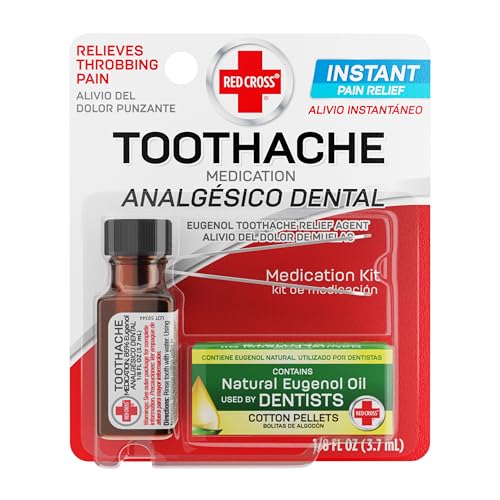
Red Cross Toothache Kit
Best for: Clove oil pain relief for dry socket
- Contains natural eugenol (clove oil) — the same ingredient dentists use
- Includes cotton pellets for targeted application
- Tweezers included for precise placement near the socket
- Provides temporary numbing relief within minutes
✓ Free shipping with Prime · ✓ Amazon's price guarantee · Affiliate link
✓ Free shipping with Prime · ✓ Amazon's price guarantee · Affiliate link
For keeping the socket area clean between dental visits, a gentle alcohol-free rinse can help without irritating the exposed tissue. Our guide to the best mouthwash for dry mouth covers options suited to sensitive post-extraction care.
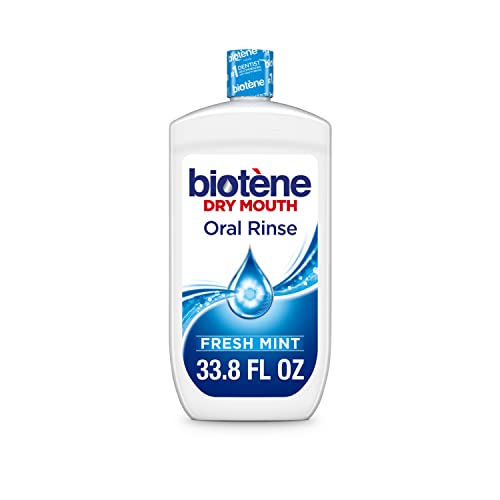
Biotene Dry Mouth Oral Rinse
Best for: Gentle alcohol-free rinse for healing sockets
- Alcohol-free — won't burn or irritate the extraction site
- Moisturises dry mouth often caused by post-extraction medications
- Enzyme-based formula supports oral balance
- ADA-accepted for dry mouth relief
✓ Free shipping with Prime · ✓ Amazon's price guarantee · Affiliate link
✓ Free shipping with Prime · ✓ Amazon's price guarantee · Affiliate link
How to Prevent Dry Socket
Prevention is always better than treatment. If you have an upcoming tooth extraction, these steps can significantly reduce your risk:
- Follow all post-extraction instructions provided by your dentist or oral surgeon
- Avoid smoking for at least 48–72 hours after extraction (ideally longer). The ADA strongly advises against smoking during the healing period.
- Skip straws for at least a week after the procedure
- Eat soft foods for the first few days and chew on the opposite side of your mouth
- Maintain gentle oral hygiene — avoid brushing directly over the extraction site for the first 24 hours, then clean carefully around it
- Limit physical activity for 24–48 hours to reduce the risk of dislodging the clot
- Discuss medications with your dentist — if you take oral contraceptives, scheduling the extraction during a low-oestrogen phase may reduce risk
When to Seek Emergency Care
While dry socket itself is not typically a dental emergency, certain symptoms may indicate a more serious complication that requires urgent attention. If you’re uninsured, our emergency dental no-insurance guide explains exactly where to go and what to expect at each type of facility:
- High fever (above 38.5°C / 101.3°F)
- Excessive bleeding that does not stop with gentle pressure
- Significant swelling that worsens after the first few days or makes it difficult to swallow or breathe
- Pus or discharge from the extraction site
- Numbness or tingling that persists beyond what your dentist advised
If you experience any of these symptoms, contact your dentist immediately or visit an emergency dental clinic.
FAQ
How long does dry socket take to heal?
With professional treatment, most people experience significant pain relief within 24–72 hours of receiving a medicated dressing. Complete healing of the socket typically takes seven to ten days from the start of treatment, though full tissue closure may take several weeks. Your dentist will monitor your progress and adjust treatment as needed.
Can dry socket heal on its own without treatment?
Technically, yes — the socket will eventually heal as new tissue grows to cover the exposed bone. However, without treatment, the pain can be severe and may last for one to two weeks or longer. Professional treatment dramatically reduces pain and lowers the risk of infection, so we strongly recommend seeing your dentist rather than waiting it out. Consult your dentist for personalised advice on your specific situation.
Is dry socket an infection?
Not necessarily. Dry socket is primarily an inflammatory condition caused by the loss of the protective blood clot. However, the exposed bone and tissue are vulnerable to bacterial contamination, which means dry socket can lead to infection if left untreated. Your dentist will assess whether antibiotics are needed based on your symptoms.
How do I know if I have dry socket or normal post-extraction pain?
Normal post-extraction pain typically peaks within the first 24–48 hours and gradually improves over the following days. Dry socket pain, on the other hand, often begins or worsens around day two to four after the extraction. If you can see whitish bone in the socket, have a foul taste in your mouth, or the pain is radiating to your ear or temple, these are strong indicators of dry socket. When in doubt, contact your dentist — it is always better to have it checked.
Can I prevent dry socket after wisdom tooth removal?
While you cannot eliminate the risk entirely, you can significantly reduce it by following post-operative instructions carefully. The most impactful steps are avoiding smoking, not using straws, eating soft foods, and keeping the extraction site clean with gentle salt water rinses. If you have a history of dry socket, discuss preventive strategies with your oral surgeon before the procedure.
Should I go to the emergency room for dry socket?
In most cases, dry socket is best treated by your dentist or oral surgeon rather than an emergency room. However, if you are experiencing a high fever, difficulty breathing or swallowing, severe uncontrolled bleeding, or significant facial swelling, seek emergency medical attention. For pain management outside of dental office hours, an urgent care facility or emergency dental clinic may be able to provide temporary relief until you can see your dentist.