
Bad breath — clinically known as halitosis — is something most of us deal with at one point or another. Whether it’s morning breath, post-coffee funk, or something more persistent, the right mouthwash can make a real difference. According to the ADA, bad breath is most commonly caused by bacteria in the mouth that break down food particles and release sulfur compounds. Research from Mayo Clinic on bad breath confirms that antimicrobial rinses can reduce bacterial odor-producing compounds when used consistently. A well-formulated mouthwash may help with reducing those bacteria and neutralizing odors at the source. For a complete approach, pairing your rinse with the best toothpaste for bad breath targets halitosis at every brushing session.
We dug into dentist recommendations, customer reviews, and ingredient research to bring you the most useful roundup we could. Here’s what we found.
How We Evaluated
Choosing the best mouthwash for bad breath isn’t as simple as grabbing whatever smells the mintiest. We evaluated each product across five criteria:
- Active ingredients — Does it target the actual cause of bad breath (bacteria, volatile sulfur compounds) rather than just masking odor?
- Alcohol content — Alcohol-based formulas can be effective short-term but may cause dry mouth, which according to the ADA, can actually worsen bad breath over time.
- ADA Seal of Acceptance — Where applicable, we noted whether products carry the ADA Seal, an independent quality marker.
- Ease of use and taste — A mouthwash that burns too much or tastes unpleasant won’t get used consistently.
- Value — We considered bottle size and cost per ounce alongside effectiveness.
We also cross-referenced dentist recommendations from multiple sources and weighed real-world user feedback.
TheraBreath Fresh Breath Oral Rinse
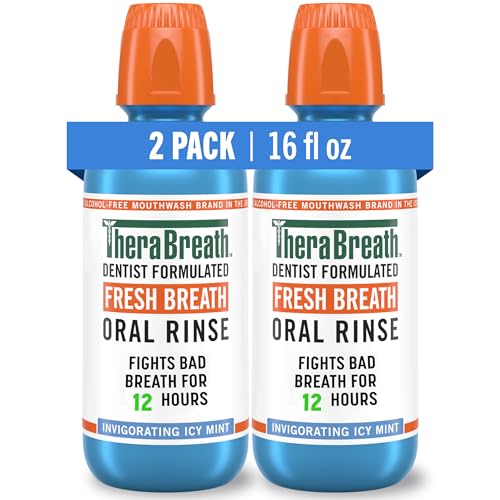
TheraBreath Fresh Breath Oral Rinse
Best for: Chronic or persistent bad breath
- OXYD-8 stabilized chlorine dioxide neutralizes sulfur compounds
- Alcohol-free, gentle on oral tissues
- pH-balanced for daily use
- No artificial colors or SLS
✓ Free shipping with Prime · ✓ Amazon's price guarantee · Affiliate link
Why We Recommend It
If you ask dentists to name one mouthwash for bad breath, TheraBreath comes up again and again. According to Dr. Patel (as quoted in The Healthy), it’s “the best choice for people with persistent bad breath or dry mouth.” Dentists at both NY Magazine’s The Strategist and NBC Select independently landed on it as their top pick for halitosis. That kind of consensus is hard to ignore.
Key Features
- Formulated with OXYD-8, a stabilized chlorine dioxide compound that neutralizes volatile sulfur compounds (VSCs) — the main culprits behind bad breath
- Alcohol-free, making it gentler on oral tissues
- pH-balanced for daily use
- Available in mild flavors including Mild Mint and Icy Mint
- No artificial colors or SLS (sodium lauryl sulfate)
Who It’s Best For
Anyone dealing with chronic or persistent bad breath, dry mouth sufferers, or those who find alcohol-based rinses too harsh. It’s also a solid pick for daily maintenance.
Potential Downsides
Some users find the flavor mild to the point of feeling like it hasn’t “done anything” — which is actually a feature if you dislike intense mint burn, but may be a drawback if you prefer that tingly fresh feeling. It also tends to cost a bit more per ounce than drugstore staples.
✓ Free shipping with Prime · ✓ Amazon's price guarantee · Affiliate link
Listerine Total Care Alcohol-Free
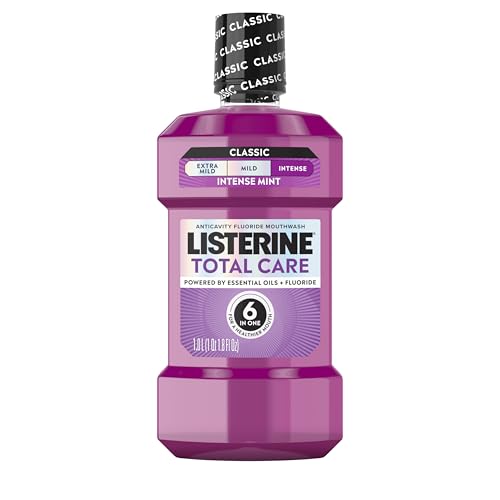
Listerine Total Care Alcohol-Free
Best for: All-around daily use without alcohol sting
- Four essential oils: eucalyptol, menthol, methyl salicylate, thymol
- Alcohol-free version reduces dry mouth risk
- Fights plaque and gingivitis
- ADA Seal of Acceptance
✓ Free shipping with Prime · ✓ Amazon's price guarantee · Affiliate link
Why We Recommend It
Listerine is one of the most recognizable names in oral care, and their alcohol-free Total Care formula manages to deliver the brand’s signature antibacterial power without the harsh burn. According to the ADA, mouthwashes containing essential oils (like those found in Listerine formulations) may help with reducing the bacteria that cause bad breath and gingivitis.
Key Features
- Contains four essential oils: eucalyptol, menthol, methyl salicylate, and thymol
- Alcohol-free version reduces dry mouth risk
- Fights plaque and gingivitis in addition to freshening breath
- ADA Seal of Acceptance for plaque and gingivitis reduction
- Available in a range of sizes
Who It’s Best For
People who want a proven antibacterial rinse without the alcohol sting. A great daily-use option for the whole family.
Potential Downsides
Even the alcohol-free version has a strong flavor that some find overpowering. It’s also not specifically formulated to neutralize VSCs the way a dedicated anti-halitosis product like TheraBreath is.
✓ Free shipping with Prime · ✓ Amazon's price guarantee · Affiliate link
Colgate Total Pro-Shield
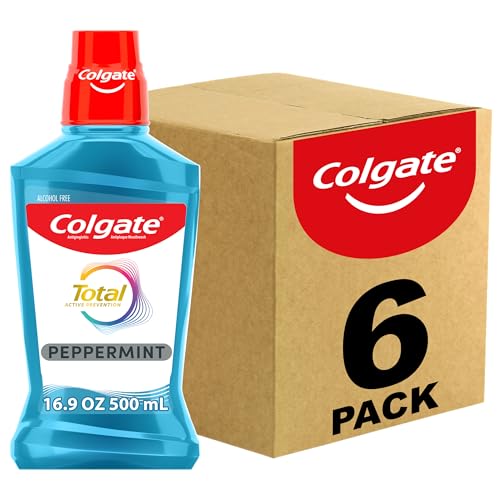
Colgate Total Pro-Shield
Best for: Gum health + bad breath in one rinse
- Cetylpyridinium chloride (CPC) antibacterial agent
- 12-hour protection against plaque and bad breath bacteria
- Alcohol-free formula
- Clean, pleasant mint flavor
✓ Free shipping with Prime · ✓ Amazon's price guarantee · Affiliate link
Why We Recommend It
Colgate Total Pro-Shield earns a spot here because it pulls double duty — addressing both gum health and bad breath in a single rinse. Poor gum health is a well-documented contributor to halitosis, and according to the ADA, treating gum disease may help with improving chronic bad breath at the source. If gum problems are driving your bad breath, also consider the best mouthwash for gingivitis as a targeted option.
Key Features
- Contains cetylpyridinium chloride (CPC), an effective antibacterial agent
- 12-hour protection claim against plaque and bad breath bacteria
- Alcohol-free formula
- Fluoride-free (a plus for those already getting fluoride from toothpaste)
- Clean, pleasant mint flavor that isn’t overwhelming
Who It’s Best For
People whose bad breath may be linked to gum issues, or anyone looking for an all-in-one daily rinse that covers multiple bases.
Potential Downsides
CPC-based rinses may cause temporary tooth staining with prolonged use in some individuals. If you notice any surface staining, it’s worth flagging with your dentist.
✓ Free shipping with Prime · ✓ Amazon's price guarantee · Affiliate link
Crest Pro-Health Clean Mint
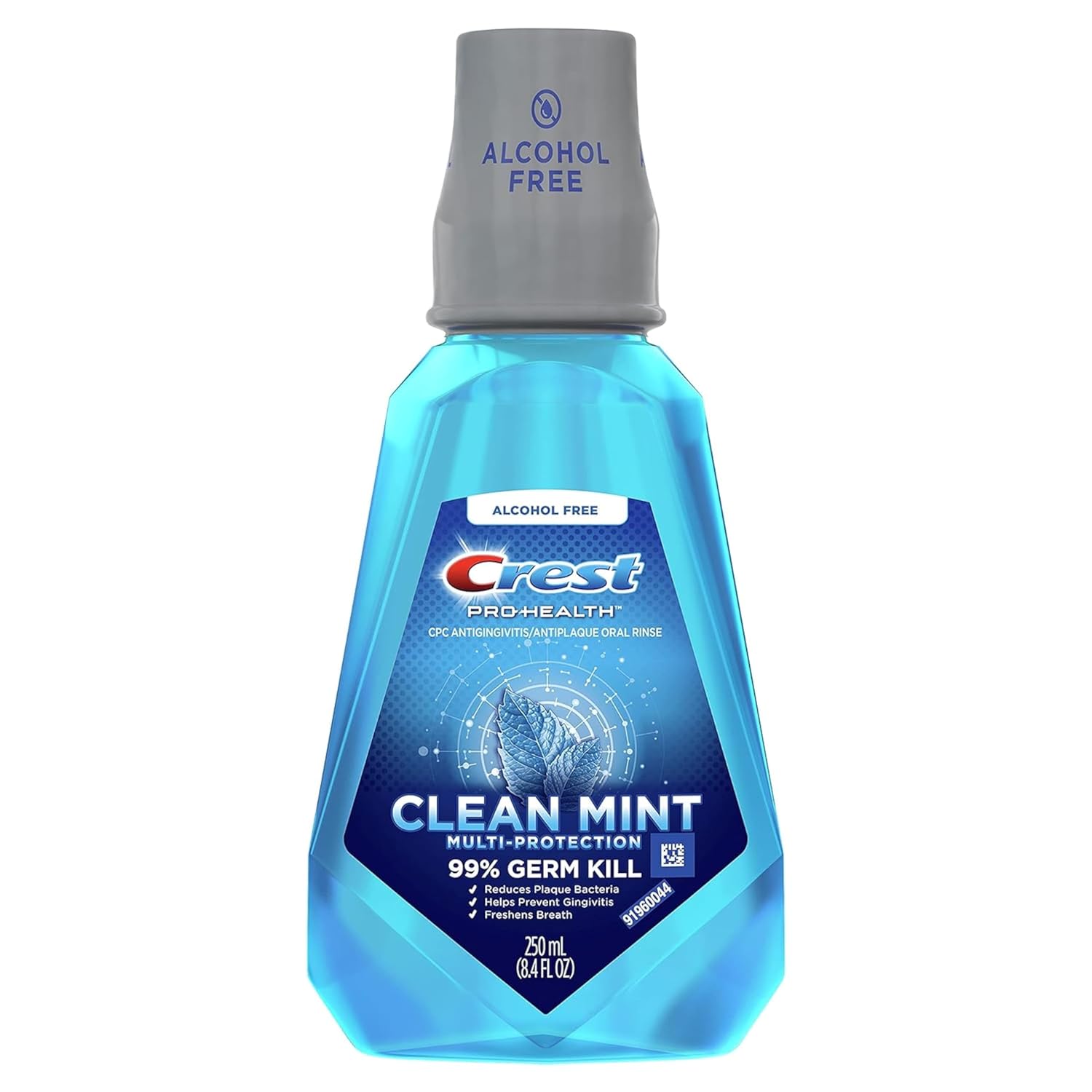
Crest Pro-Health Clean Mint
Best for: Sensitive mouths and those new to mouthwash
- Alcohol-free, non-burning formula
- Cetylpyridinium chloride (CPC) antibacterial ingredient
- Fights plaque, gingivitis, and bad breath
- Mild, approachable Clean Mint flavor
✓ Free shipping with Prime · ✓ Amazon's price guarantee · Affiliate link
Why We Recommend It
Crest Pro-Health is a consistent performer that shows up on dentist-recommended lists for its gentleness and broad-spectrum approach. It’s alcohol-free, which matters more than people often realize — according to the ADA, a dry mouth environment created by alcohol-based rinses may make bad breath worse, not better, over time.
Key Features
- Alcohol-free and non-burning formula
- Cetylpyridinium chloride (CPC) as active antibacterial ingredient
- Fights plaque, gingivitis, and bad breath
- Clean Mint flavor is mild and approachable
- Widely available at major retailers and often among the most affordable options
Who It’s Best For
People with sensitive mouths, those new to mouthwash routines, or anyone who has been put off by harsh-tasting rinses in the past.
Potential Downsides
Like other CPC-based rinses, there’s a small potential for surface staining with heavy use. Its breath-freshening action leans more toward masking and bacteria reduction than VSC neutralization specifically.
✓ Free shipping with Prime · ✓ Amazon's price guarantee · Affiliate link
BreathRx Advanced Formula Mouth Rinse
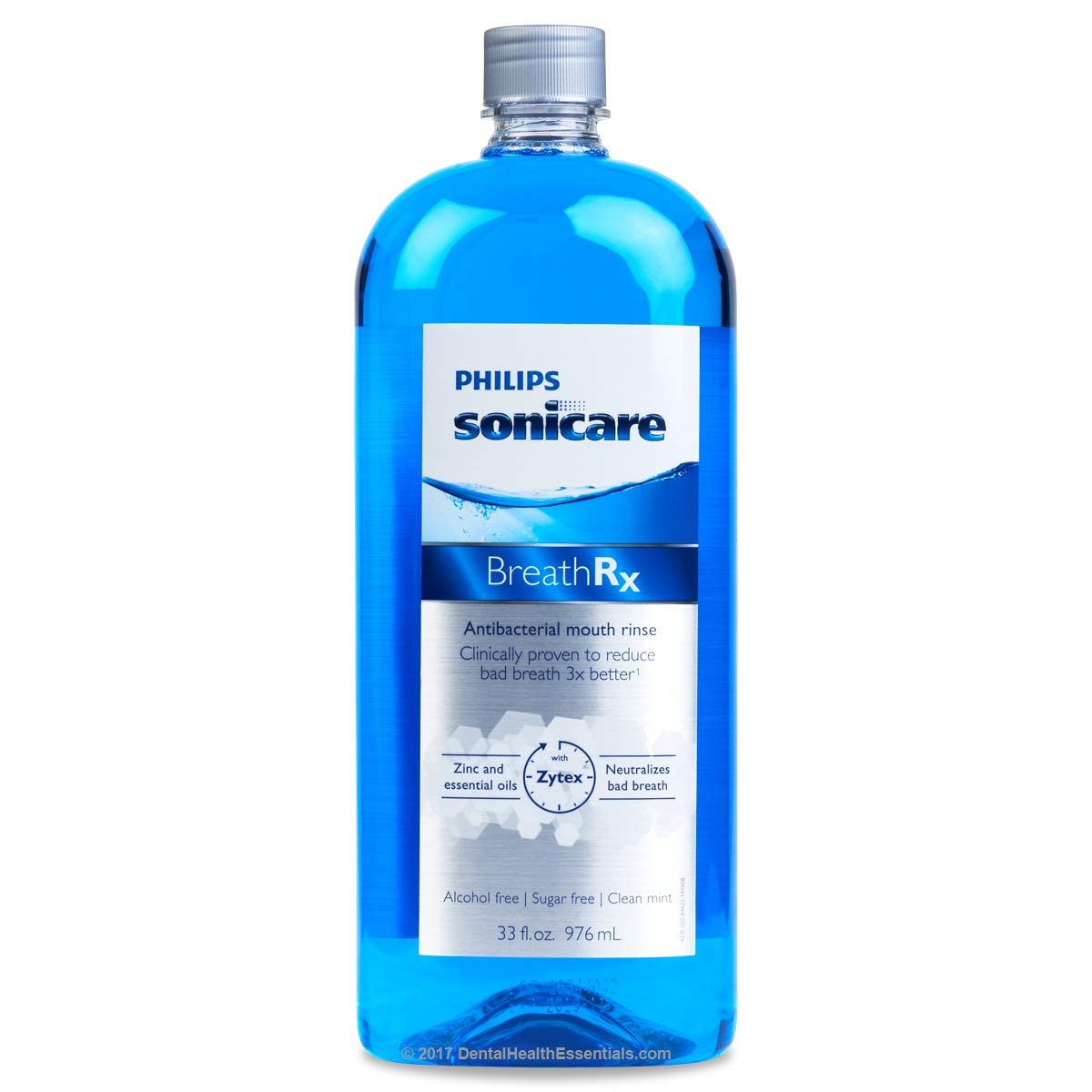
BreathRx Advanced Formula Mouth Rinse
Best for: Persistent or chronic halitosis
- Zinc neutralizes volatile sulfur compounds (VSCs)
- CPC for antibacterial action
- Alcohol-free with Thymox technology
- Mild spearmint flavor
✓ Free shipping with Prime · ✓ Amazon's price guarantee · Affiliate link
Why We Recommend It
BreathRx is a professional-grade formula that takes a multi-angle approach to halitosis. It appears on dentist-recommended lists (including at Dentistry at Marysville) as a top pick for people who need more than a standard rinse can offer. If you’ve tried mainstream options without much luck, this is worth exploring.
Key Features
- Contains zinc, an ingredient that may help with neutralizing VSCs at the molecular level
- Includes CPC for antibacterial action
- Alcohol-free
- Thymox technology targets odor-causing bacteria
- Mild spearmint flavor
Who It’s Best For
People dealing with persistent or chronic bad breath who haven’t found relief with standard over-the-counter options. Also well-suited to those who wear dentures or orthodontic appliances.
Potential Downsides
It tends to be harder to find in physical stores and is typically priced higher than drugstore alternatives. The flavor is subtle, which suits some users but may feel underwhelming to others.
✓ Free shipping with Prime · ✓ Amazon's price guarantee · Affiliate link
ACT Anticavity Fluoride Rinse
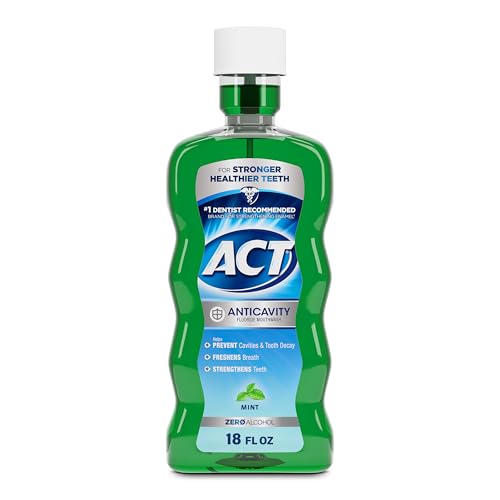
ACT Anticavity Fluoride Rinse
Best for: Cavity protection alongside breath freshening
- Sodium fluoride for enamel strengthening
- Antibacterial agents reduce odor-causing bacteria
- Alcohol-free formula
- ADA Seal of Acceptance
✓ Free shipping with Prime · ✓ Amazon's price guarantee · Affiliate link
Why We Recommend It
ACT is primarily known as a cavity-fighting fluoride rinse, but its antibacterial properties also make it a solid option for people who want breath support alongside stronger enamel protection. According to the ADA, fluoride rinses may help with strengthening enamel and reducing decay-causing bacteria — and fewer bacteria generally means fresher breath. For a dedicated look at fluoride rinses, see our roundup of the best mouthwash for cavities.
Key Features
- Sodium fluoride as active ingredient for enamel strengthening
- Contains antibacterial agents that may help with reducing odor-causing bacteria
- Alcohol-free
- ADA Seal of Acceptance
- Budget-friendly and widely available
Who It’s Best For
People who want a two-in-one: cavity protection and everyday breath freshening. Great for those already using TheraBreath or another dedicated anti-halitosis rinse and wanting to add fluoride support separately.
Potential Downsides
It’s not formulated specifically for bad breath — if halitosis is your primary concern, a more targeted rinse should be your go-to and ACT used as a complement.
✓ Free shipping with Prime · ✓ Amazon's price guarantee · Affiliate link
Tom’s of Maine Wicked Fresh Mouthwash
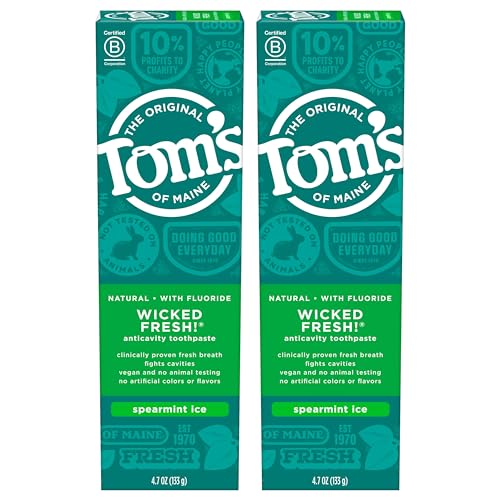
Tom's of Maine Wicked Fresh Mouthwash
Best for: Natural ingredient seekers
- Free from artificial flavors, colors, preservatives, and SLS
- Natural spearmint and peppermint oils for antibacterial action
- Alcohol-free and fluoride-free
- Cruelty-free and not tested on animals
✓ Free shipping with Prime · ✓ Amazon's price guarantee · Affiliate link
Why We Recommend It
For those who prefer to keep their oral care routine as natural as possible, Tom’s of Maine Wicked Fresh is one of the more credible options on the market. It avoids artificial sweeteners, dyes, and preservatives while still delivering meaningful breath freshening through natural spearmint oil.
Key Features
- Free from artificial flavors, colors, preservatives, and SLS
- Natural spearmint and peppermint oils provide antibacterial action
- Alcohol-free
- Fluoride-free (ideal for those sourcing fluoride from toothpaste)
- Cruelty-free and not tested on animals
Who It’s Best For
Natural lifestyle enthusiasts, those with sensitivities to synthetic ingredients, or anyone looking to simplify their product routine without sacrificing freshness.
Potential Downsides
Natural formulas generally provide shorter-lasting fresh breath compared to clinical-grade rinses. If your bad breath is persistent or severe, a more targeted product like TheraBreath may serve you better as your primary rinse.
✓ Free shipping with Prime · ✓ Amazon's price guarantee · Affiliate link
Buyer’s Guide: What to Look For
Alcohol vs. Alcohol-Free
Alcohol is effective at killing bacteria, but it also dries out oral tissues. According to the ADA, a dry mouth can increase bacterial growth and actually contribute to bad breath. If you’re rinsing daily, an alcohol-free formula is usually the smarter long-term choice.
Key Active Ingredients
- Chlorine dioxide / OXYD-8 — Neutralizes volatile sulfur compounds directly; found in TheraBreath
- Cetylpyridinium chloride (CPC) — Broad-spectrum antibacterial; common in Crest and Colgate rinses
- Essential oils (eucalyptol, thymol, menthol) — Proven antibacterial properties; the basis of most Listerine formulas
- Zinc compounds — May help with binding and neutralizing sulfur compounds
- Fluoride — Protects enamel and reduces decay-causing bacteria, though it doesn’t directly target bad breath
The ADA Seal
Look for the American Dental Association’s Seal of Acceptance. According to the ADA, this seal indicates that a product has been evaluated for safety and efficacy by an independent body of scientific experts.
Duration of Effect
Most mouthwashes provide a few hours of freshness. Products targeting VSCs (like TheraBreath) may offer longer-lasting results because they neutralize odor compounds rather than simply covering them up.
Treating the Root Cause
If bad breath persists despite consistent brushing, flossing, and rinsing, it’s worth visiting your dentist. According to the ADA, persistent halitosis can occasionally signal an underlying condition such as gum disease, dry mouth, or a systemic health issue that needs professional attention. Dry mouth in particular is a common culprit — the best mouthwash for dry mouth can help address that specific cause.
FAQ
Q: How often should I use mouthwash for bad breath? Most dentists recommend rinsing once or twice daily — typically after brushing. According to the ADA, mouthwash works best as part of a complete routine that includes twice-daily brushing and daily flossing, not as a replacement for either.
Q: Is alcohol-free mouthwash as effective as alcohol-based? For everyday bad breath control, yes. Alcohol can be a more aggressive antibacterial agent short-term, but alcohol-free formulas with CPC, essential oils, or chlorine dioxide may help with achieving comparable bacterial reduction without the drying side effects that can worsen halitosis over time.
Q: Can mouthwash cure chronic bad breath? Mouthwash may help with managing and reducing bad breath, but it doesn’t “cure” underlying causes. If your bad breath is persistent, it’s important to speak with a dentist, as conditions like gum disease or dry mouth may require targeted treatment.
Q: Is it safe to use mouthwash every day? For most adults, daily mouthwash use is considered safe when using an ADA-accepted formula. According to the ADA, you should follow the directions on the label and consult your dentist if you have specific concerns about frequency or ingredients.
Q: What causes bad breath in the first place? According to the ADA, the most common cause of bad breath is oral bacteria breaking down food particles and dead cells, releasing volatile sulfur compounds. Dry mouth, gum disease, certain foods, tobacco use, and occasionally systemic health conditions can also contribute.
Q: Should kids use mouthwash for bad breath? The ADA recommends that children under six avoid mouthwash due to the risk of swallowing. For older children, alcohol-free formulas in appropriate concentrations may be suitable — but it’s always best to check with your child’s dentist first.
Our Methodology
We compiled this roundup by cross-referencing dentist recommendations from multiple credible sources, including NBC Select, NY Magazine’s The Strategist, The Healthy, and dental practice blogs with verified clinical authors. We evaluated products based on their active ingredients and the mechanisms by which they target bad breath (odor neutralization vs. bacterial reduction vs. masking), alcohol content and its effect on dry mouth, availability of an ADA Seal of Acceptance, consumer feedback patterns across major retail platforms, and overall value relative to price.
We did not accept payment for product placement. Some links in this article are affiliate links, which means we may earn a small commission if you purchase through them — at no extra cost to you. Our editorial recommendations are made independently of any commercial relationships. When in doubt, we always encourage you to consult your dentist for personalized guidance.